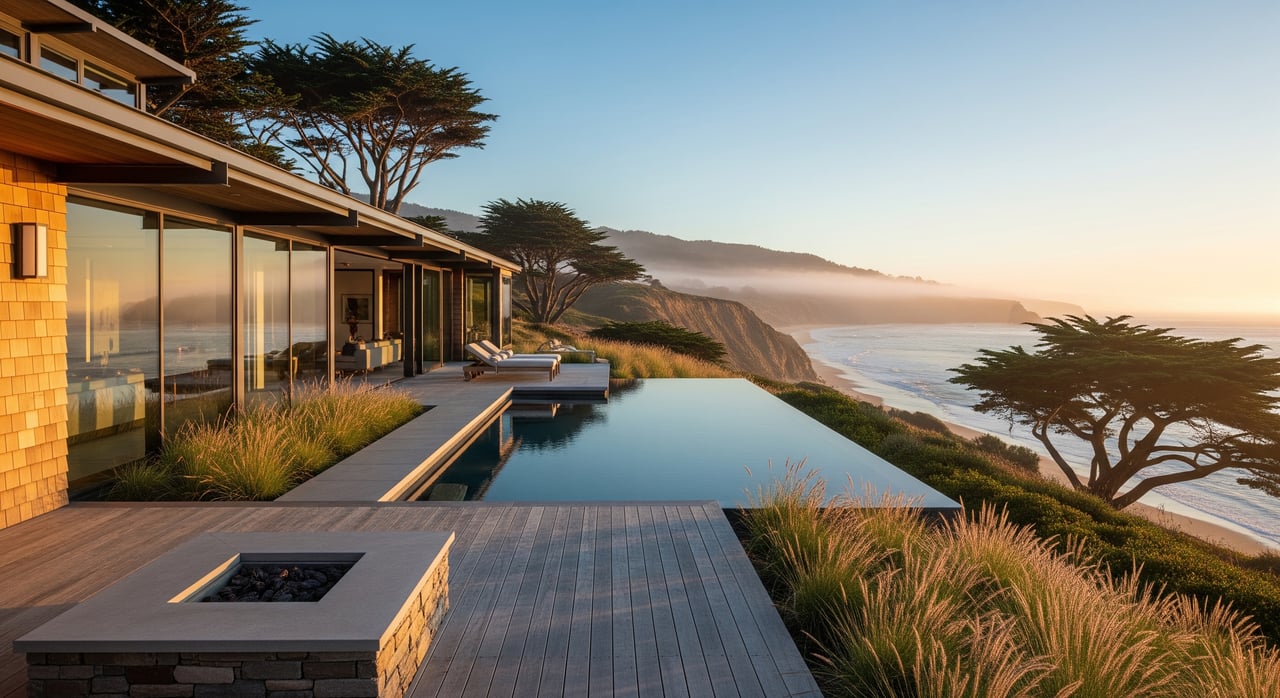
Ever wonder what life feels like when the ocean shapes your days? In Half Moon Bay, you trade city buzz for coastal calm, fresh sea air, and a small-town rhythm that changes with the seasons. If you are weighing a move from the Peninsula or San Francisco, you likely want the full picture: neighborhoods, weather, commute realities, outdoor life, and everyday logistics. This guide walks you through what to expect so you can decide if the Coastside fits your lifestyle. Let’s dive in.
The coastal feel and pace
Half Moon Bay blends historic charm with a working harbor, broad beaches, and nearby farms. It stays small in feel during the week, then livens up on sunny weekends and in October during pumpkin season. You get a relaxed pace, friendly streets, and a strong connection to nature. The trade-offs are real: longer commutes, higher home costs, and limited transit compared to urban cores.
Downtown and Main Street
Downtown centers on Main Street with cafes, boutiques, galleries, and city services in a walkable stretch. You can grab coffee, browse local shops, and run errands without driving far. Housing nearby ranges from older cottages to small multi-unit buildings. Weekends bring day-trippers, so plan errands earlier for easier parking.
Pillar Point and Princeton-by-the-Sea
The harbor area is about boats, seafood, and the surf scene. It is active, especially on weekends, and a hub for fishing and marine recreation. Condos, small coastal homes, and some rentals sit close to the water. The working harbor vibe is part of daily life here, with dining and tide-dependent activity.
Miramar and Highway 1 bluffs
This stretch offers bluff-edge views, coastal trails, and proximity to the beach. Homes can sit on larger lots in places, and the scenery is a daily backdrop. Properties near bluff edges can face erosion and extra regulations, so due diligence is essential if you shop here.
El Granada and the north Coastside
Just north of town, El Granada has a village feel with quick access to Pillar Point and the Mavericks area. Many residents commute to Peninsula jobs from here. The neighborhood grid makes it simple to reach trails, beaches, and harbor restaurants.
Inland and agricultural outskirts
Farms, nurseries, ranches, and larger parcels sit just inland. Life feels quieter and more rural, and some residents keep horses or pursue small-scale agriculture. You are still minutes from the ocean, yet tucked away from beach crowds.
Weather and seasons
You live by the marine layer here. Summers are mild with frequent morning and evening fog, and daytime temperatures often in the 50s to 60s. Winters bring most of the rain, while spring and fall can deliver crisp, clear days. For climate context and forecasts, use the National Weather Service.
What that means for you: keep layers handy, expect foggy morning drives at times, and remember that many homes do not need air conditioning. Plan outdoor time around tides and visibility, and learn your street’s drainage patterns for storm days.
Getting around and commute reality
State Route 1 is the local spine for daily errands. To reach the Peninsula and South Bay, California 92 connects east to I‑280 and US‑101. Typical commute ranges vary by time and traffic, but residents often report 30 to 60 minutes to San Mateo or Redwood City, about 40 to 70 minutes to San Francisco, and roughly 45 to 90 minutes to South Bay job centers. Tourist traffic can slow weekends and sunny afternoons near beach access points.
Transit is limited compared to urban hubs. SamTrans buses serve the Coastside, though frequencies are lower than on the Peninsula, and some commuters drive to Caltrain stations off-coast. For routes and schedules, check SamTrans. Plan to test your specific route at the exact times you would travel.
Housing types and coastal factors
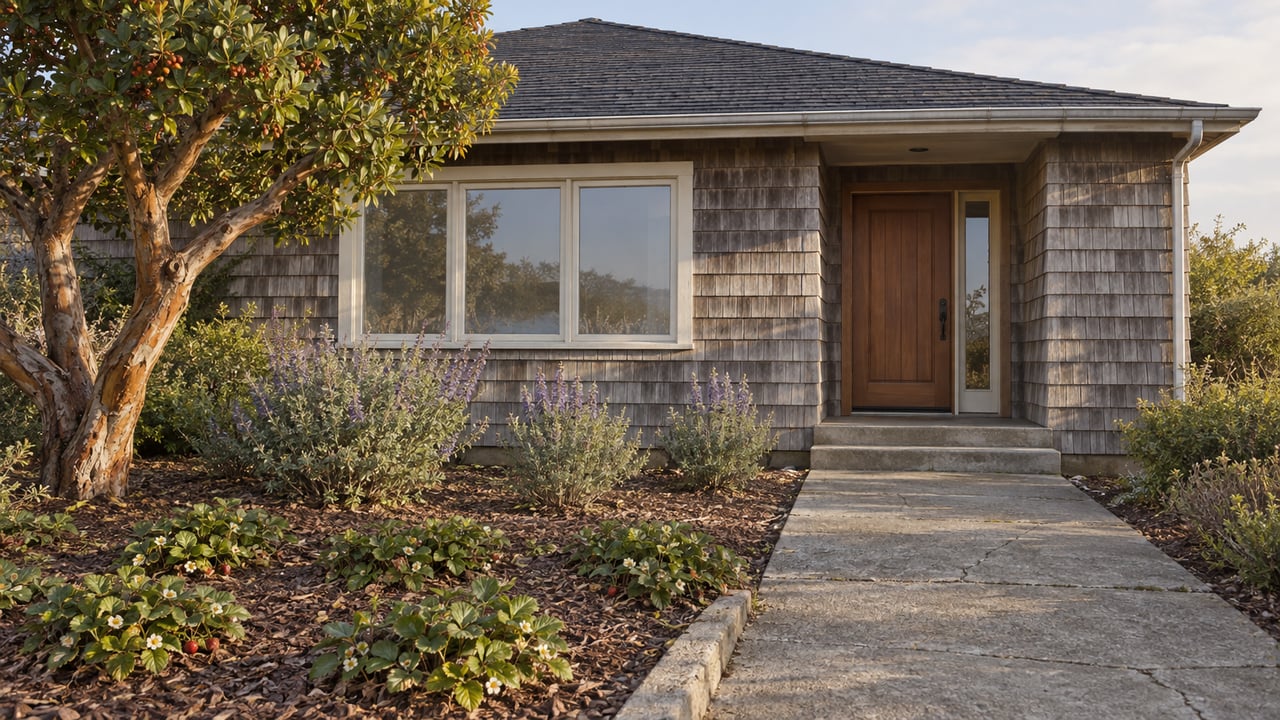
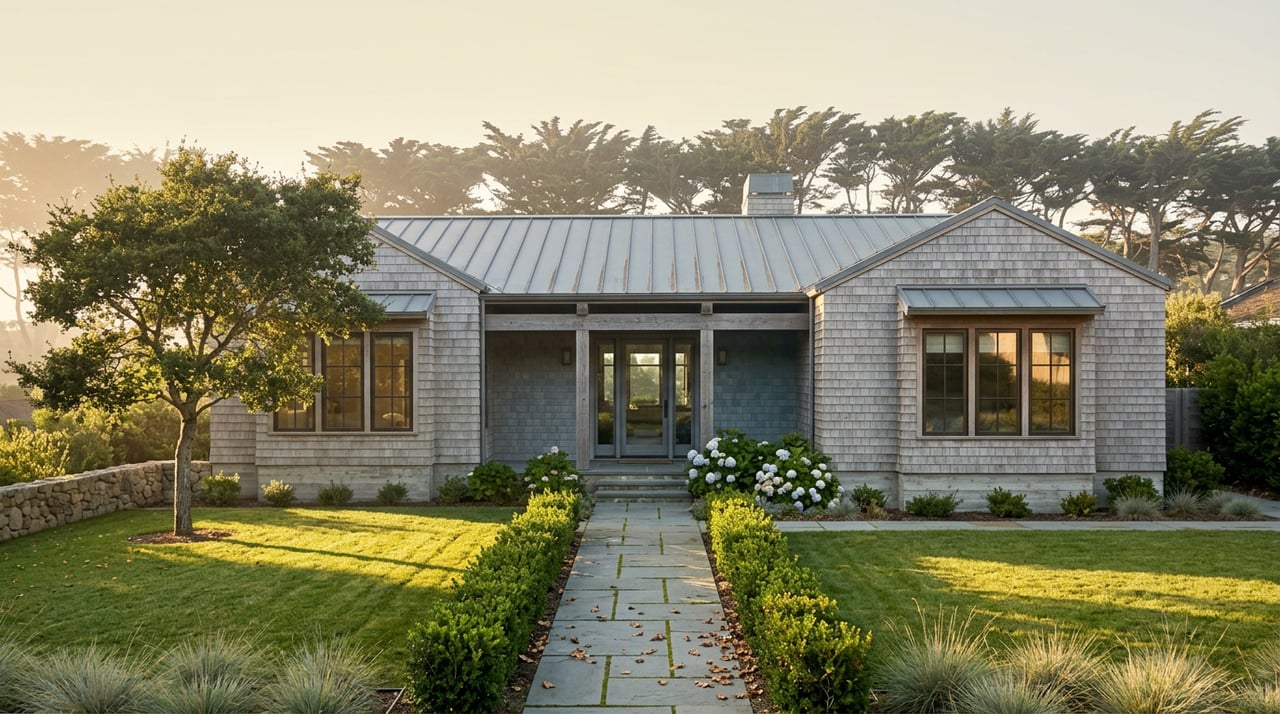
Housing runs from historic cottages and small-lot homes near downtown to newer builds, view properties, and rural parcels. Inventory tends to be tight, and coastal homes often carry a premium given the setting. If you are evaluating bluff-top or low-lying properties, build coastal due diligence into your plan.
Common buyer checkpoints include:
- Review coastal development and setback guidance with the California Coastal Commission.
- Check your property’s flood zone on the FEMA Flood Map Service Center.
- Include structural, drainage, and site stability evaluations as needed.
Utilities and everyday services
Electricity is provided by PG&E, while potable water service in much of the area is managed by the Coastside County Water District. Conservation rules can vary by season, so it helps to confirm current guidelines before you upgrade landscaping or plan additions. Internet and cell coverage can vary by street, especially in rural or bluff-edge pockets, so verify provider options and real-world speeds for each address.
Schools and family life
Half Moon Bay is served by the Cabrillo Unified School District, including local elementary schools, a middle school, and Half Moon Bay High School. Programs, extracurriculars, and offerings reflect a small-town system, and some families look to Peninsula private schools for additional options. For district information and enrollment, visit the Cabrillo Unified School District.
Childcare and youth activities are available but can be limited compared to denser areas. You will find youth sports, surf schools, and nature programs that make use of the coast and nearby parks.
Outdoor life and weekend fun
If you love the outdoors, Half Moon Bay shines. Beaches and bluff-top trails are a daily staple for dog walks, run clubs, and sunset strolls. Explore the shoreline at Half Moon Bay State Beach, then head to the harbor for kayaking or a seafood lunch by the docks at Pillar Point Harbor. Local surf culture runs deep, and the world-famous Mavericks break adds to the area’s identity.
You will also find equestrian trails, nearby golf, tidepooling at marine reserves, and seasonal wildlife viewing along the coast. Farms and nurseries add a dose of agritourism, from spring flower fields to pumpkin patches in the fall.
Community events and culture
The calendar builds toward harvest season, when pumpkin events draw large crowds. The surf season can bring contests and marine-focused gatherings when conditions line up. Small businesses and local organizations anchor community life year-round. For event snapshots and visitor updates, check Visit Half Moon Bay.
Smart prep for potential movers
Before you commit, take a practical approach:
- Commute test. Drive your exact route at your usual times on both weekdays and weekends.
- Internet and cell check. Confirm providers and speeds at the address.
- Flood and erosion review. Pull FEMA flood maps and review coastal policy with the California Coastal Commission if you are near the shoreline.
- Inspection plan. For bluff-top or older homes, add structural and drainage evaluations.
- Services check. Confirm water district, waste services, and school assignments.
- Seasonal fit. Ask about winter storm impacts, summer traffic, and your access to groceries, healthcare, and daily needs.
Is Half Moon Bay right for you?
If a slower, salt-air lifestyle calls to you, Half Moon Bay is compelling. You get ocean access, a tight-knit community, and easy ways to spend more time outside. The trade-offs are longer drives, fewer transit options, and coastal-specific property considerations. With the right plan, you can make the most of the Coastside and protect your investment.
Ready to explore homes, compare neighborhoods, or prep your property for sale with polished marketing? Reach out to Shanti Minkstein for local guidance and a smooth, high-touch experience.
FAQs
Is Half Moon Bay a realistic daily commute base?
- Yes for many, if you plan for variable traffic and test your route along Highway 1 and CA‑92; expect longer, timing-dependent drives compared to Peninsula cities, with limited Coastside transit via SamTrans.
How does coastal weather affect daily routines?
- Fog and cool summers mean layers, occasional reduced visibility in the morning, and minimal need for AC; monitor forecasts with the National Weather Service.
What types of homes are common in Half Moon Bay?
- You will see older cottages and small-lot homes near downtown, condos and coastal homes near the harbor, view and bluff-edge properties along Highway 1, and larger parcels inland.
Should I worry about erosion or flooding near the coast?
- Do your due diligence: consult the FEMA Flood Map Service Center for flood zones and review coastal setbacks and policies with the California Coastal Commission before buying.
Where can I find information on local schools?
- The Cabrillo Unified School District shares enrollment details and resources; families also explore extracurriculars and nature programs that reflect the Coastside setting.