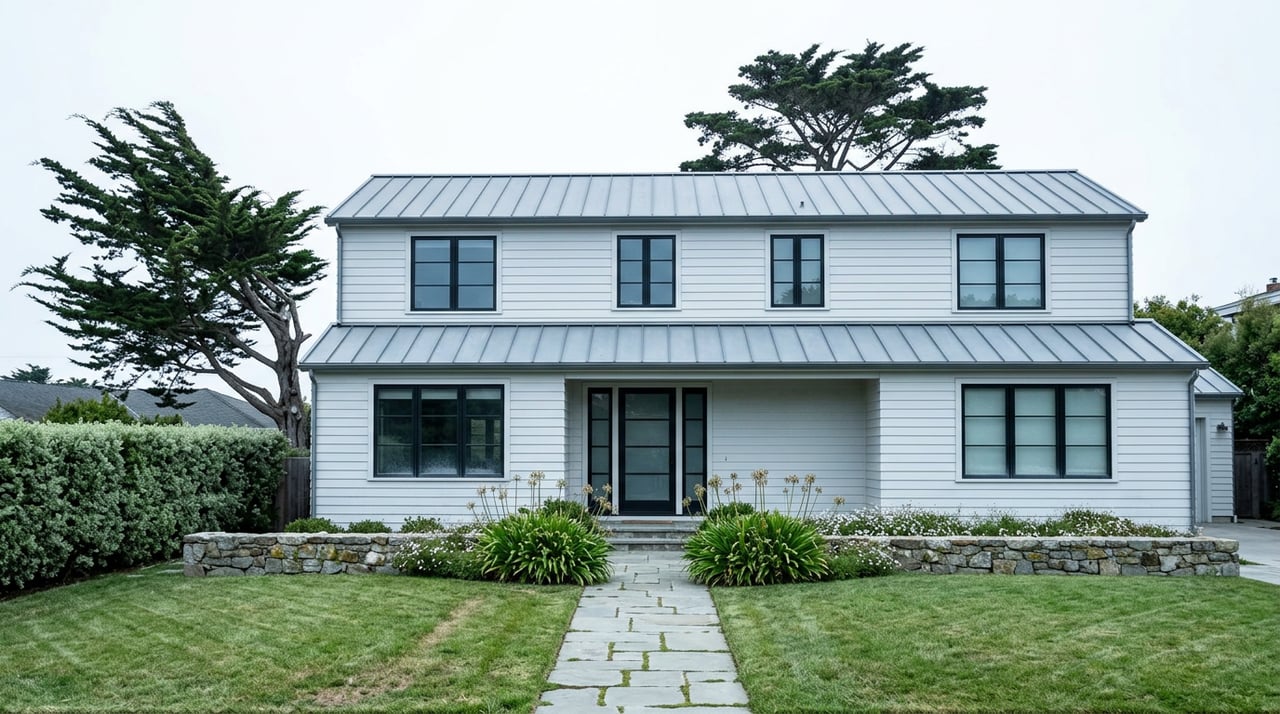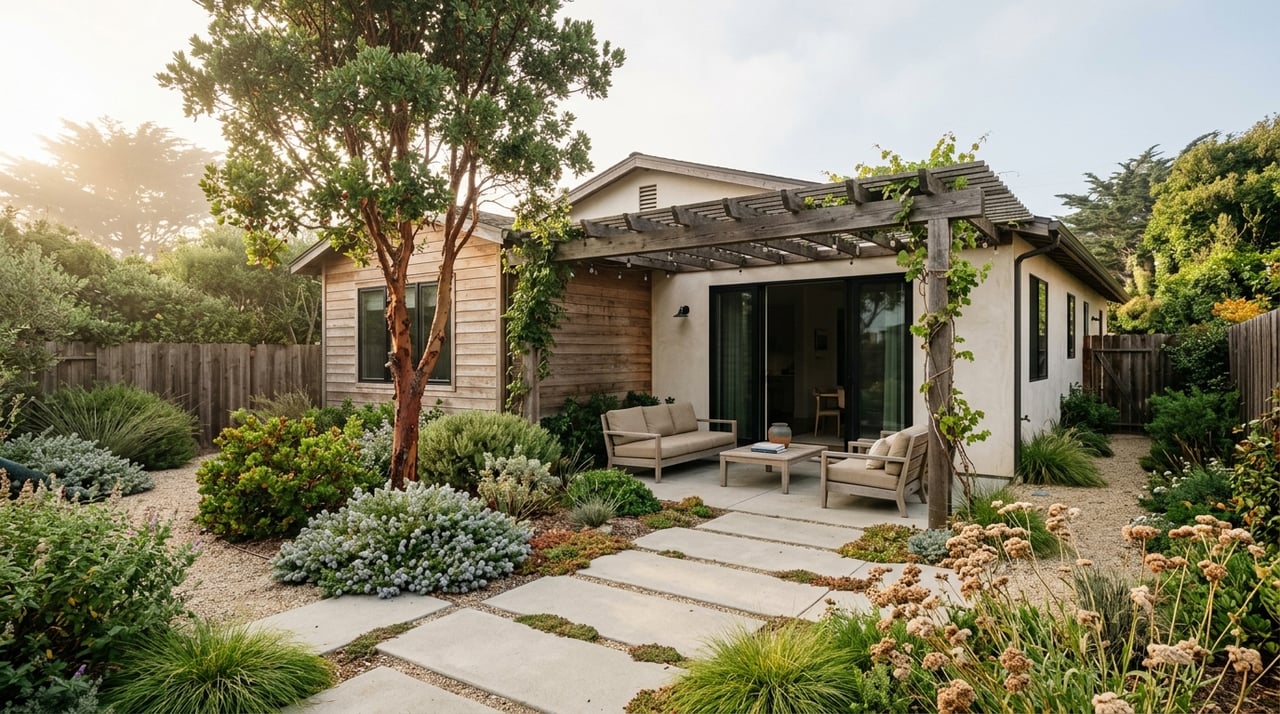
Choosing between Pacifica and Half Moon Bay is not just about finding a home near the water. It is about deciding how you want your daily life to feel, how you want to commute, and what kind of housing market fits your priorities. If you are weighing these two Coastside communities, this guide will help you compare pricing, housing, transit, schools, and lifestyle so you can move forward with more confidence. Let’s dive in.
Pacifica vs Half Moon Bay at a Glance
Both Pacifica and Half Moon Bay offer coastal living in San Mateo County, but they serve different buyer goals.
Pacifica is generally better suited for buyers who want easier access toward Daly City, BART connections, and San Francisco job centers. Half Moon Bay tends to appeal to buyers who want a more town-centered coastal experience with a historic Main Street feel and a market that leans more heavily toward detached homes.
A simple way to think about it is this: Pacifica feels more commute-adjacent and neighborhood-driven, while Half Moon Bay feels more destination-like and town-center driven. That difference shows up in everything from transportation to housing choices to everyday rhythm.
Pricing and Market Pace
If you are comparing value, it is important to separate sold prices from listing prices. These numbers can point in different directions, especially in smaller coastal markets.
In March 2026, Pacifica had a median sale price of $1,295,000. Homes sold in about 12 days on average and received about 2 offers. That suggests a relatively quick market pace.
Half Moon Bay’s March 2026 median sale price was $1,149,000, with homes selling in about 14 days. The market was described as somewhat competitive, but there were only 8 March sales compared with 30 in Pacifica, which means the median can move more sharply from a small number of sales.
Current listing prices tell a different story. In April 2026, Pacifica’s median listing price was $1.35 million with 81 homes for sale. Half Moon Bay’s March 2026 median listing price was $1.825 million with 73 homes for sale.
The takeaway is simple: Pacifica looks stronger on recent closed-sale pace, while Half Moon Bay shows higher current asking prices in the latest listing snapshot. If you are shopping in either market, it helps to look at both sold data and active inventory instead of relying on one headline number.
Why Inventory Can Stay Tight
On the Coastside, supply is shaped by more than demand alone. Local planning and coastal regulation can slow redevelopment and limit how quickly new inventory reaches the market.
Pacifica’s planning documents note that projects in the Coastal Zone may need to align with the Local Coastal Land Use Plan and may require a Coastal Development Permit. Half Moon Bay has also reported that it is still coordinating required rezonings with the California Department of Housing and Community Development and the Coastal Commission in 2026.
For you as a buyer or seller, that means tight inventory may be part of the long-term character of these markets. It also means property improvements, redevelopment, or lot potential often require a careful local understanding before you make assumptions.
Housing Stock and Property Types
Housing type is one of the clearest differences between Pacifica and Half Moon Bay.
Pacifica has 14,520 housing units, and about 75% are single-family detached homes. About 24% are multifamily, and less than 1% are mobile homes. The city’s land-use pattern also shows that multifamily housing is clustered rather than spread evenly throughout the city.
That gives Pacifica a more suburban and compact feel. You will still find detached homes as the dominant option, but there are also condo and multifamily pockets that can create more variety depending on your budget and goals.
Half Moon Bay’s 2020 housing stock was 60.4% single-family detached, 11.9% single-family attached, 6.0% multifamily with 2 to 4 units, 10.4% multifamily with 5 or more units, and 11.3% mobile homes.
Even though detached homes are still the main ownership anchor in Half Moon Bay, the city shows a visibly broader mix of attached homes, smaller multifamily properties, and mobile-home options. If you want a detached-home-oriented market with a wider range of housing formats in the background, Half Moon Bay may offer that balance.
Commute and Transportation
If your week includes regular trips toward San Francisco or the Peninsula, transportation may be the deciding factor.
Pacifica has the stronger northbound commute profile. Access is primarily via State Route 1 and State Route 35, which connect to Interstate 280. Local bus service also connects Pacifica to Daly City and Colma BART and San Bruno Caltrain.
SamTrans routes serving Pacifica include 110, 117, and PCX, and Linda Mar Park & Ride is directly connected to Daly City BART. For many buyers, that means more flexibility for weekday commuting and easier connections to larger transit nodes.
Half Moon Bay’s transit picture is more limited and corridor-based. SamTrans Route 294 runs between Hillsdale in San Mateo and Downtown Half Moon Bay. Coastside service is centered on Routes 117 and 294, with Ride Plus and SamCoast offering on-demand or shared-ride options in the area.
In practical terms, Half Moon Bay usually requires more planning and less spontaneity for weekday commuting. If regular access to Peninsula or San Francisco job centers matters a lot to you, Pacifica may feel more convenient.
Schools and District Structure
If school structure matters to your planning, the two markets differ in how their districts are organized.
Pacifica is served by both the Pacifica School District and the Jefferson Union High School District. The Pacifica School District serves students across six schools, and the city lists multiple elementary schools along with Oceana High School and Terra Nova High School. The California Department of Education district profile shows Pacifica School District enrollment at 2,531 in 2025 to 2026.
Half Moon Bay is more centralized under Cabrillo Unified School District, which covers K through adult education. District information lists elementary campuses, Cunha Intermediate, Half Moon Bay High School, Pilarcitos High School & Alternative Education, and adult and preschool programs. The California Department of Education district profile shows 2,504 enrollment in 2025 to 2026.
The biggest practical difference is structure. Pacifica’s path is more layered because students move from an elementary district into a separate high school district, while Half Moon Bay’s unified district creates a more centralized K through adult framework.
Lifestyle and Daily Feel
Lifestyle may be the category that makes your choice easiest.
Pacifica is centered on beaches, trails, and outdoor recreation that are easy to work into everyday life. The city highlights Pacifica State Beach for surfing, surf camps, a coastal recreation trail, restrooms and showers, and a dog-friendly beach environment. Visitor materials also emphasize hiking, biking, surfing, and other outdoor activities.
That creates a setting that often feels active and local. Pacifica can be a strong fit if you want the coast to be part of your normal routine instead of feeling like a weekend destination.
Half Moon Bay has a different kind of draw. Its identity is closely tied to historic Main Street, with shops, galleries, eateries, live music, a farmers market, and annual events like the Art & Pumpkin Festival, Wine & Jazz Festival, and the Fourth of July parade.
Its beach access is also broad, with areas including Dunes Beach, Venice Beach, Francis Beach, the Coastal Trail, and the state beach system. If you picture coastal living as a mix of downtown strolls, local events, and beach-town atmosphere, Half Moon Bay may feel more aligned with that vision.
Which Market Fits You Best?
If you are still deciding, here is the clearest side-by-side summary.
Pacifica may fit you if
- You want easier access to Daly City, BART, or San Francisco commute routes
- You prefer a faster recent sales pace
- You want a more suburban-coastal housing mix
- You like the idea of beach and trail access woven into daily life
Half Moon Bay may fit you if
- You want a small-town beach market with a more destination-style feel
- You are drawn to a downtown-centered lifestyle around Main Street
- You prefer a market anchored by detached homes with a broader mix of attached and smaller multifamily options in the background
- You value a more centralized unified school district structure
Neither market is universally better. The right fit depends on whether your top priority is commute convenience, housing mix, and faster market rhythm or small-town atmosphere, Main Street identity, and a more destination-like coastal experience.
If you want help narrowing the choice based on your budget, lifestyle, or timing, local context matters. Working with someone who understands the Coastside block by block can make the comparison much clearer. When you are ready to talk through Pacifica, Half Moon Bay, or both, connect with Shanti Minkstein.
FAQs
What is the main difference between Pacifica and Half Moon Bay for homebuyers?
- Pacifica is generally more transit-connected and commute-oriented, while Half Moon Bay is more town-centered and destination-like in its daily feel.
Is Pacifica or Half Moon Bay more expensive in the current market?
- Recent closed sales showed Pacifica with a higher median sale price in March 2026, but current listing snapshots showed a higher median asking price in Half Moon Bay, so it is important to compare sold data and active listings separately.
Which coastal market has better commute access, Pacifica or Half Moon Bay?
- Pacifica has stronger northbound commute access, with routes connecting to Interstate 280 and transit links to Daly City and Colma BART plus San Bruno Caltrain.
How do housing options differ in Pacifica and Half Moon Bay?
- Pacifica is dominated by single-family detached homes with some clustered multifamily pockets, while Half Moon Bay also leans detached but has a broader mix of attached homes, small multifamily properties, and mobile-home options.
How are school districts structured in Pacifica and Half Moon Bay?
- Pacifica is split between an elementary district and a separate high school district, while Half Moon Bay is served by Cabrillo Unified School District, which provides a more centralized K through adult structure.
Why can housing inventory stay tight in Pacifica and Half Moon Bay?
- Coastal planning rules, permitting requirements, and rezoning coordination can slow redevelopment and limit how quickly new inventory comes to market in both communities.