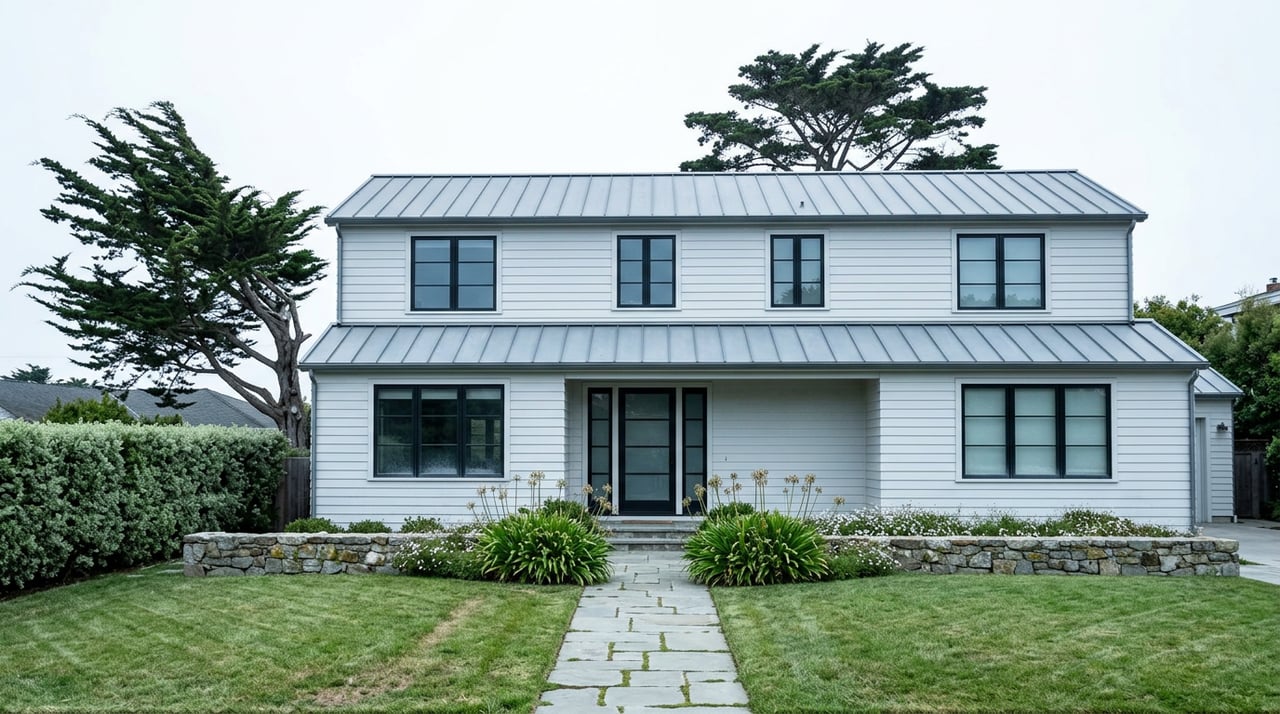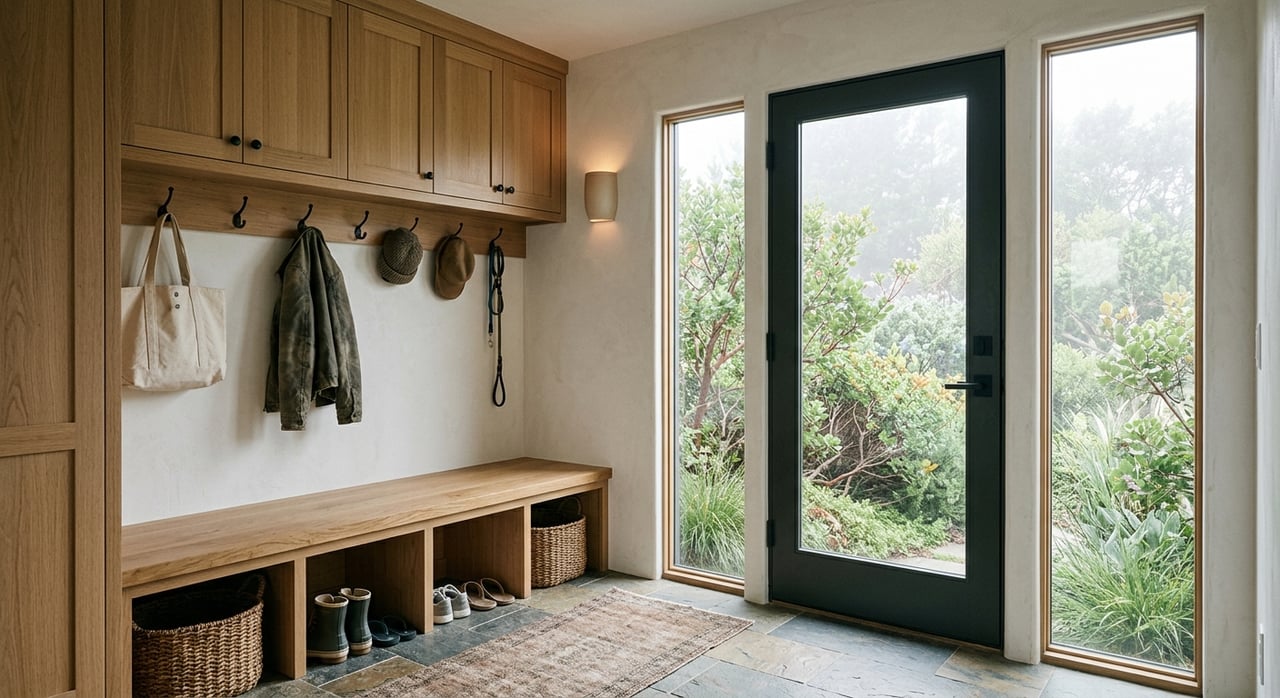
If you are searching for a place where everyday life feels a little more connected to nature and community, Half Moon Bay likely stands out for a reason. For many buyers, this coastal town is not just about finding a house. It is about finding a lifestyle that supports school routines, park days, beach walks, and a strong sense of local belonging. This guide will help you understand how schools, outdoor amenities, housing patterns, and community features come together in Half Moon Bay so you can make a more confident move. Let’s dive in.
Why Half Moon Bay appeals to families
Half Moon Bay sits on the Pacific Coast about 28 miles south of San Francisco, with forested hills on one side and coastline on the other. The city highlights its historic downtown, local shops, art galleries, restaurants, beaches, parks, golf courses, nurseries, farms, and annual Pumpkin Festival as key parts of daily life.
For many buyers, that adds up to a town that feels active without feeling rushed. The city also describes Half Moon Bay as a close-knit community where neighbors care about each other and schools matter, which helps explain why so many people see it as both a housing choice and a lifestyle choice.
The weather also shapes daily routines in a very real way. Summer fog is common, while spring and fall are often clearer, and temperatures tend to stay moderate, which can make outdoor time more comfortable throughout much of the year.
Schools in Half Moon Bay
Cabrillo Unified School District overview
Cabrillo Unified School District serves Half Moon Bay and nearby Coastside communities. The district’s current school list includes Los Listos State Preschool, El Granada Elementary, Farallone View Elementary, Hatch Elementary, Kings Mountain Elementary, Cunha Middle School, Half Moon Bay High School, Pilarcitos High School & Alternative Education, and La Costa Adult School.
One important detail for buyers is that school attendance can depend on the home’s location. The district provides an Elementary School Boundary Finder, so if school assignment is a major part of your search, it is smart to verify boundaries for any address you are considering.
Middle and high school options
Cunha Middle School is described by the district as a whole-child transition school with about 780 students and two full-time counselors. For families with preteens, that may be a useful point of reference as you think through the middle school years.
Half Moon Bay High School is the district’s only comprehensive high school. According to the district, it enrolls about 1,000 students, is WASC accredited, offers 17 unique AP courses across 30 AP classes, and supports more than 40 clubs.
What buyers should keep in mind
Because the district serves a broader Coastside area, not every school connected to a Half Moon Bay home is located right in the city core. That makes address-level research especially important when you are comparing homes in different parts of town or nearby communities.
If schools are high on your priority list, it helps to look at the home search with both lifestyle and logistics in mind. A property’s location, daily driving patterns, and walkability may all matter alongside the district boundary.
Parks and outdoor spaces
Neighborhood parks for everyday use
Half Moon Bay has a strong mix of smaller parks that fit easily into daily family life. The city lists Carter Park, Fernandez Park, Frenchman’s Creek Park, Kehoe Park, Mac Dutra Plaza, Oak Avenue Park, Ocean View Park, and the Skate Park among its local amenities.
Several of these spaces include features like tot lots, picnic tables, restrooms, or gathering areas. That variety can make a big difference when you want options for a quick playground stop, a casual weekend picnic, or a simple place to meet up with neighbors.
Beaches and the Coastside Trail
Outdoor access is one of Half Moon Bay’s biggest draws. Half Moon Bay State Beach offers four miles of sandy beaches, dunes, cool marine weather, and camping, with Francis Beach, Venice Beach, and Dunes Beach identified as access points on the state park page.
The city also lists Surfers Beach, Poplar Beach, and Canada Verde Beach as local beach access areas. For many households, that means beach time can become part of normal weekly life instead of something reserved for special occasions.
The Coastside Trail, part of the California Coastal Trail, is another standout amenity. The city describes it as a bike and pedestrian path along the bluffs with ocean views, bird and wildlife watching, and wildflowers, giving you an easy way to enjoy the coast without needing a major outing.
Recreation and community amenities
Programs for kids and families
Half Moon Bay’s recreation programming is especially family-oriented. Current offerings include soccer camps, beginning swim lessons, skateboarding, pickleball, basketball drop-in, music and dance, kids in the kitchen, and Tiny Toddlers Open Gym for children from toddler age through 6 at the Ted Adcock Community Center.
The city says these programs help youth build a sense of place and belonging while giving families a way to meet neighbors and share interests. That matters because community life is often shaped as much by routine activities as by major events.
Library and civic spaces
The Half Moon Bay branch library on Correas Street adds another practical layer to everyday life. It currently posts Family Storytime and offers curbside service, Wi-Fi, mobile hotspots, and a community room reservation option.
That makes the library more than a place to borrow books. It also functions as a useful neighborhood resource for learning, gathering, and staying connected.
The Ted Adcock Community Center also serves as a local hub. In addition to recreation programming, the city offers room rentals there for gatherings, meetings, and events, reinforcing the role of civic spaces in day-to-day family routines.
Neighborhood patterns and housing choices
Walkable downtown versus established neighborhoods
Half Moon Bay offers more than one way to live on the Coastside. The city’s land-use plan notes that outside the Town Center, residential areas are built out as discrete neighborhoods mixed with mostly agricultural uses, while residential uses within the Town Center are concentrated in South Downtown and the eastern part of Heritage Downtown.
For buyers, that often creates a clear lifestyle choice. You may prefer the convenience and walkability of the town center, or you may lean toward established single-family neighborhoods with a different residential feel.
The city identifies Miramar, Frenchmans Creek, Sea Haven, Casa del Mar, Grandview, Highland Park, Grand-Belleville, Alsace Loraine, and Arleta Park as established single-family neighborhoods. It also identifies Pilarcitos and portions of South Downtown as higher-density areas that support apartments, senior housing, and condominiums.
A range of housing paths
Half Moon Bay is sometimes viewed mainly through the lens of detached coastal homes, but the city’s planning materials show a broader picture. Mobile home neighborhoods such as Hilltop and Canada Cove are noted as important housing types on the Midcoast, and mobile homes make up about 10% of the city’s housing stock.
That is a helpful reminder if you are trying to balance budget, location, and lifestyle. Depending on your goals, there may be more than one path into the Half Moon Bay market.
What families should know before buying
School boundaries matter
If you are moving with children, school boundaries are one of the first details to confirm. Since Cabrillo Unified serves multiple Coastside communities and home location can affect attendance, it is best to verify a specific address rather than assume a home feeds a certain campus.
Inventory can be shaped by local growth rules
Half Moon Bay also has local housing constraints that can affect supply over time. The city says Measure D is the residential growth management system, allows only 1 to 1.5 percent annual growth, and requires a Measure D allocation for all new residential dwelling units.
For buyers, that can be one reason inventory feels limited in certain segments of the market. It is part of the broader context that shapes what is available and how long you may need to search.
Coastal permitting can affect future plans
If you are considering a property near the coast or west of Highway 1, future changes to the home may involve additional steps. The city notes that scenic coastal access routes and protected ocean views can constrain redevelopment, and coastal development permits are issued by the city while remaining under Coastal Commission jurisdiction.
That does not mean improvement plans are off the table. It does mean you will want clear guidance if you are buying with the intention to expand, remodel, or build new.
The bigger picture for family life
What makes Half Moon Bay appealing to many families is the combination of practical amenities and daily quality of life. You have local schools, small neighborhood parks, beaches, trail access, recreation programs, and a civic core designed with pedestrian accessibility, landscaping, green space, and all ages and abilities in mind.
Downtown and Heritage Downtown are described by the city as compact, walkable, and pedestrian-oriented, with Heritage Downtown carrying a traditional small-town feel. For some buyers, that walkability is the deciding factor. For others, the draw is the balance of outdoor living, established neighborhoods, and a community rhythm that feels grounded and personal.
If you are thinking about a move to Half Moon Bay, it helps to look beyond square footage and bedroom count. The real question is how you want daily life to feel, and in Half Moon Bay, schools, parks, beaches, and community spaces all play a meaningful role in that answer.
If you want help comparing neighborhoods, verifying school-boundary considerations, or finding the right fit for your Coastside lifestyle, reach out to Shanti Minkstein for thoughtful, local guidance.
FAQs
What school district serves Half Moon Bay homes?
- Cabrillo Unified School District serves Half Moon Bay and nearby Coastside communities, and school attendance can depend on the property address.
What parks are available in Half Moon Bay for families?
- The city lists Carter Park, Fernandez Park, Frenchman’s Creek Park, Kehoe Park, Mac Dutra Plaza, Oak Avenue Park, Ocean View Park, and the Skate Park, with several offering features like tot lots, picnic tables, restrooms, or gathering space.
What beaches and trails can Half Moon Bay families use?
- Half Moon Bay State Beach offers four miles of sandy beaches and dunes, and the Coastside Trail provides a bike and pedestrian path along the bluffs with ocean views.
What family activities does Half Moon Bay offer through city recreation?
- Current city recreation offerings include soccer camps, beginning swim lessons, skateboarding, pickleball, basketball drop-in, music and dance, kids in the kitchen, and Tiny Toddlers Open Gym.
What should Half Moon Bay buyers know about neighborhoods?
- Buyers often compare the walkable Town Center and Heritage Downtown area with established single-family neighborhoods such as Miramar, Frenchmans Creek, Sea Haven, Casa del Mar, Grandview, Highland Park, Grand-Belleville, Alsace Loraine, and Arleta Park.
What should buyers know about remodeling or building in coastal areas of Half Moon Bay?
- Homes near the coast or west of Highway 1 may face additional redevelopment and permitting considerations because coastal development permits are issued by the city and remain under Coastal Commission jurisdiction.