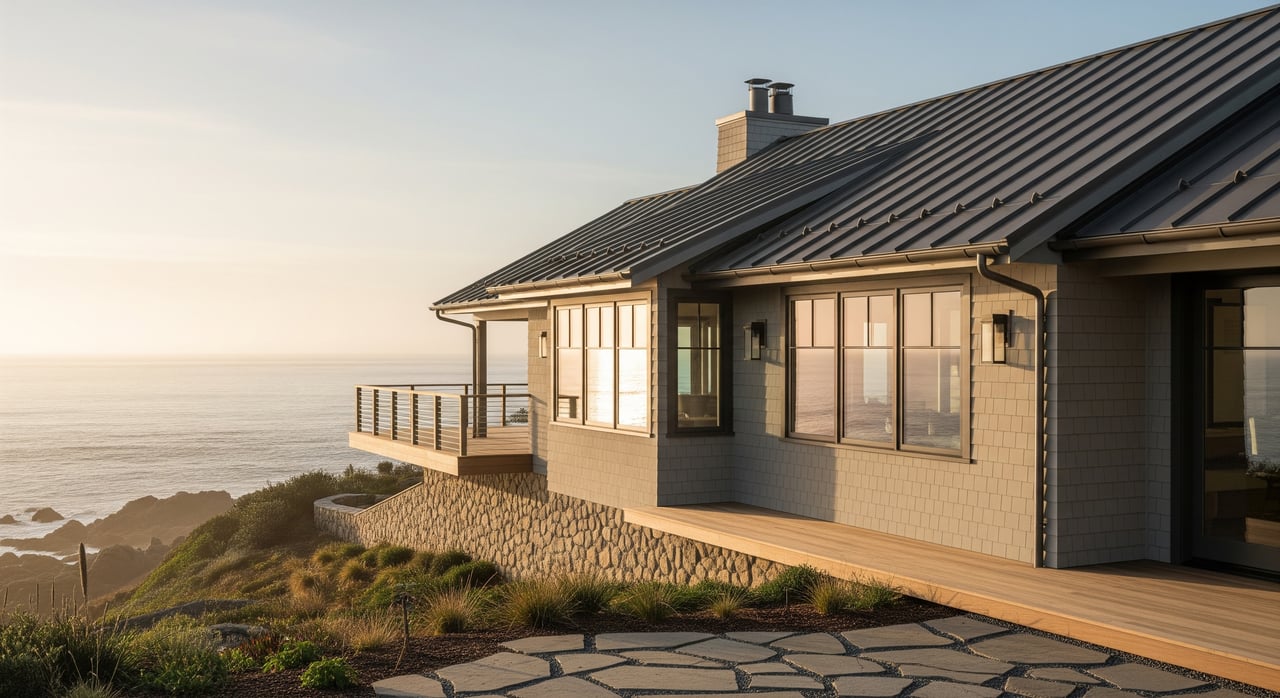
Salt air, fog, and high winds are part of what makes Pacifica special. They also change how you care for a home. If you are planning to buy here, understanding coastal wear and tear will help you budget wisely and protect your investment from day one. In this guide, you will learn the maintenance priorities that matter most in Pacifica, plus a pre-offer inspection checklist you can use right away. Let’s dive in.
How Pacifica’s coast changes maintenance
Pacifica homes live with salt spray, marine humidity, and frequent wind. Salt-carrying air speeds up corrosion on metal parts like fasteners, railings, HVAC equipment, and electrical enclosures. Persistent moisture and UV exposure can shorten the life of paint, sealants, and exterior finishes.
Parts of Pacifica are also affected by flood and bluff hazards. Use the NOAA sea-level rise viewer and the FEMA Flood Map Service Center to check parcel-level exposure. For shoreline and bluff guidance, review the California Coastal Commission’s sea-level rise resources. Local planning and public works updates from the City of Pacifica Public Works and the San Mateo County Office of Emergency Services can provide context on storm impacts and preparedness.
Choose materials that last near the ocean
Siding and exterior finishes
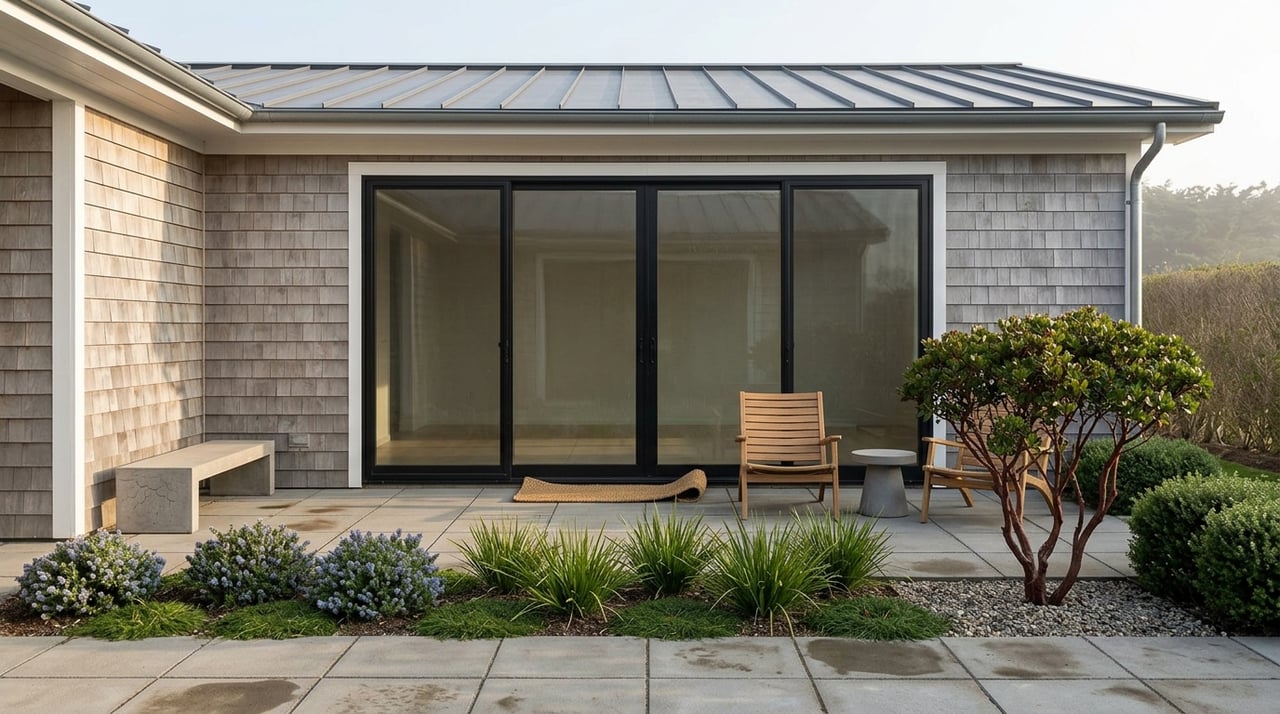
In Pacifica’s marine climate, fiber-cement, cementitious stucco, and engineered wood with proper finishes tend to perform better than untreated softwoods. Cedar and redwood resist rot, but they still need diligent sealing and fastener care. Expect shorter repaint cycles than inland homes. Look for quality exterior or marine-grade coatings rated for coastal exposure.
Roofing and flashing
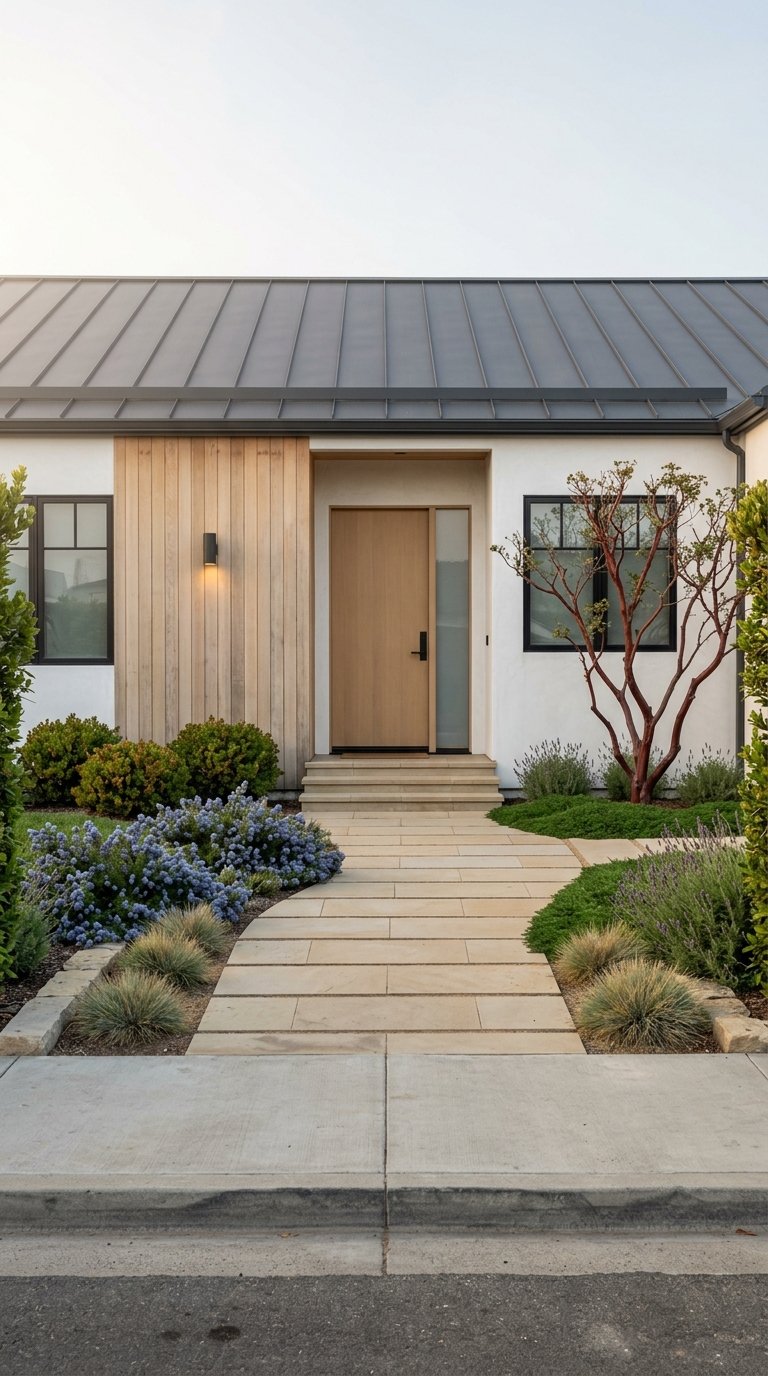
Metal roofing can outperform asphalt in salt air if it uses the right coastal-grade coatings or marine-grade metals. Manufacturer coastal specifications matter, so verify the exact product and installation details. For asphalt, check for granule loss, lifted edges, and corrosion at flashings and ridges. All flashing and drip edges should be stainless steel or heavy hot-dip galvanized where appropriate.
Fasteners and connectors
Fasteners are a common weak link. Favor stainless steel, such as 300 series, or hot-dip galvanized G-185 or better for exterior structural use. Avoid plain steel or light electroplated fasteners. Inspect through-wall flashings and sealants for early corrosion or failure.
Windows, doors, and sealants
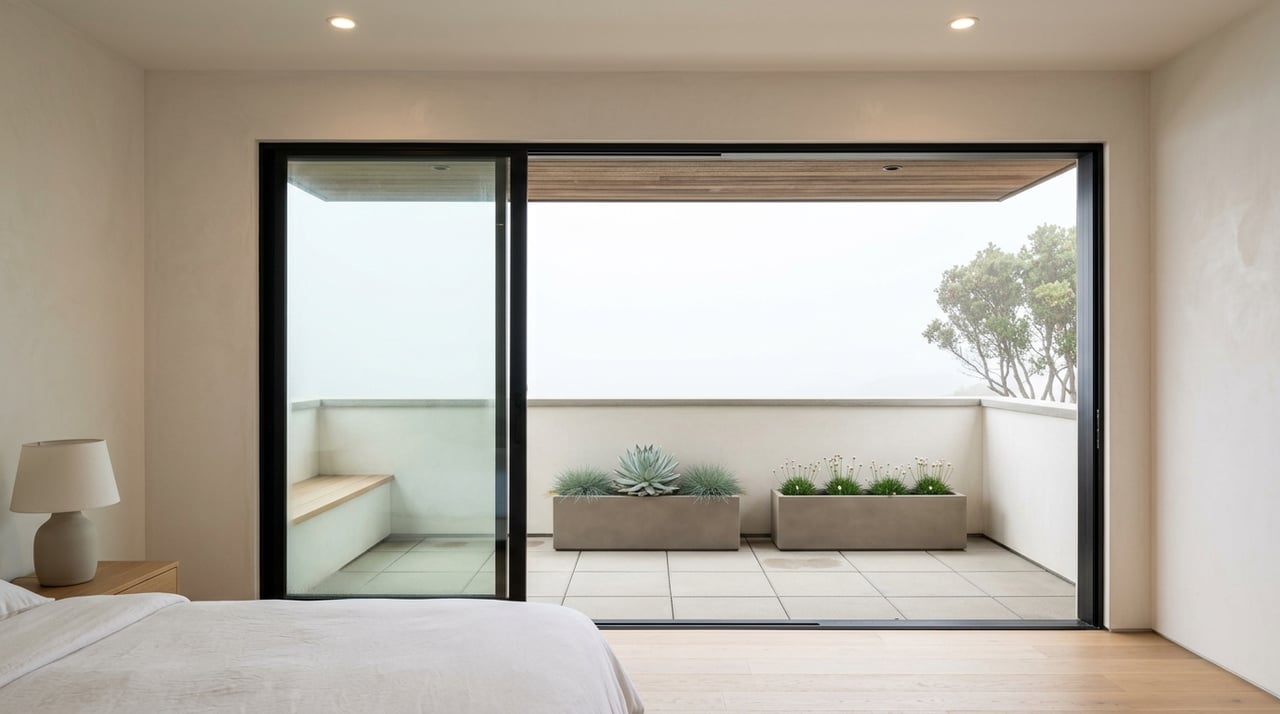
Choose corrosion-resistant frames and coastal-rated hardware. Failed seals show up as fogging in insulated glass. Sliding door tracks are prone to salt buildup, so plan for frequent cleaning and lubrication. Re-caulk perimeter joints when gaps appear to block wind-driven rain.
Decks, railings, and exterior metalwork
Use stainless steel hardware for deck ledgers, joist hangers, and railings. Composite decking reduces rot risk, but connection points still need inspection. Exposed metal railings and balustrades need consistent cleaning, touch-up coating, and spot treatment to slow rust.
Manage moisture and indoor air
Fog and marine humidity can keep surfaces damp. Moisture management protects your structure and your air quality.
- Prioritize balanced attic ventilation and proper insulation to reduce condensation.
- Use breathable housewraps and correct flashing details so walls can dry if water gets in.
- Run bath and kitchen fans that vent outdoors, not into the attic or crawlspace.
- Address visible mold promptly. The EPA guide to mold and moisture and CDC mold resources outline best practices for cleanup and prevention.
Systems that need extra attention
HVAC, heat pumps, and water heaters
Exterior condensers and heat pumps corrode faster near the ocean. Look for units with coastal or marine packages, elevate equipment to avoid pooling water, and schedule regular coil cleaning. Anticipate shorter replacement intervals than inland averages. Water heaters should be checked for corrosion and proper drainage and elevation.
Electrical and gas equipment
Inspect exterior electrical panels, meter enclosures, conduit, and outlets for corrosion and watertight seals. Outdoor outlets and switches should be gasketed and listed for wet locations. Exposed gas piping and fittings need periodic inspection for rust.
Site, drainage, and structural basics
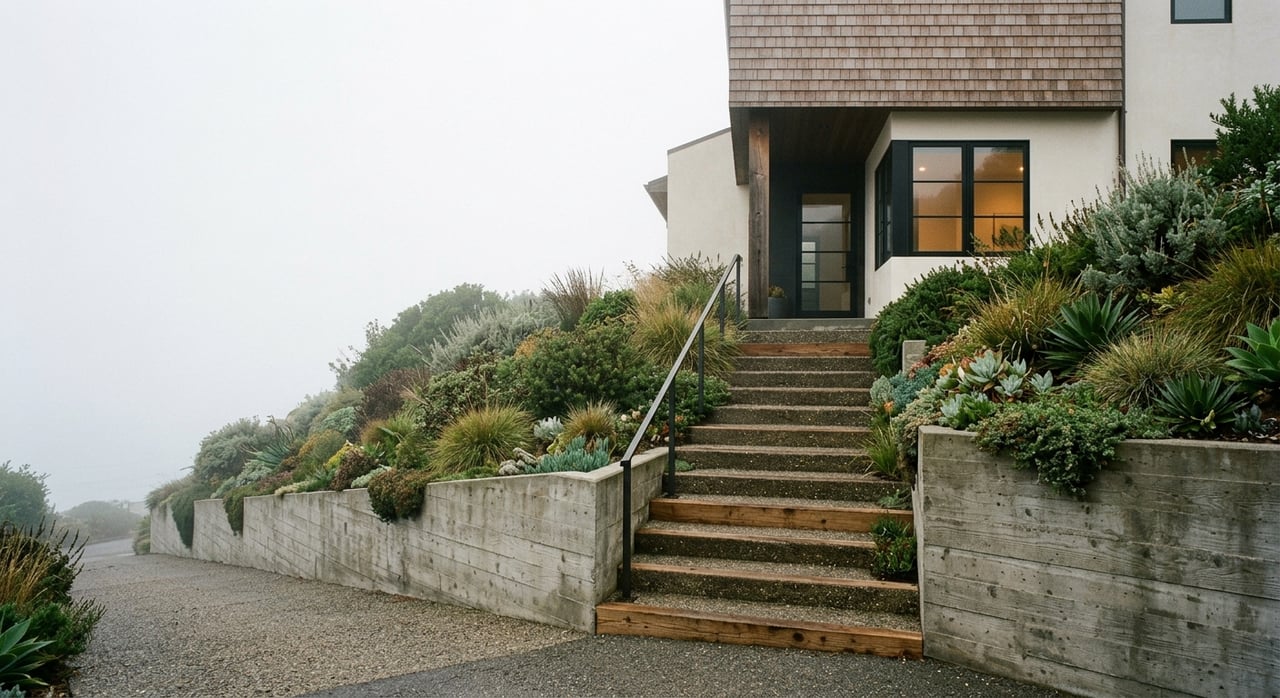
Good drainage is nonnegotiable in a marine climate. Maintain gutters and downspouts that discharge away from the foundation. Keep yard drains, swales, and slope vegetation clear so water flows freely. If the property has retaining walls or seawalls, plan periodic inspections for undermining, cracks, or material breakdown. For bluff or slope settings, specialist evaluation may be needed.
Your coastal maintenance calendar
These are baseline frequencies. Increase them for homes closer to direct salt spray or open exposure.
Monthly or seasonal
- Rinse salt from decks, railings, exterior metal, and HVAC fins using low-pressure fresh water.
- Clear gutters and downspouts, and confirm discharge away from the foundation.
- Clear drainage swales and yard drains. Trim landscaping to improve airflow and drying.
- Inspect exterior caulking at windows and doors for gaps.
Biannually in spring and fall
- Inspect the roof, flashing, and chimneys for loose or corroded components and leaks.
- Service HVAC, clean condensers, change filters, and check coils for corrosion.
- Check exterior metal for rust and treat or replace as needed.
- Inspect decks and porches for soft boards and loose fasteners. Seal or re-stain as required.
Annually
- Complete a full exterior inspection, including paint, siding, seals, and foundation perimeter.
- Check crawlspace and attic for moisture, mold, or condensation signs.
- Schedule a professional roof inspection and clean moss or organics.
- Test sump pumps and any backflow or sewer valves, if present.
Every 5 to 10 years
- Repaint or recoat exterior surfaces on an accelerated cycle if exposure is high.
- Anticipate earlier replacement of HVAC components and possibly water heaters.
- Replace or upgrade fasteners and connectors that show advanced corrosion.
Preventive best practices
- Keep a fresh water rinse routine for vulnerable surfaces and equipment.
- Maintain adequate attic ventilation and insulation to limit condensation.
- Use sacrificial zinc anodes or protective coatings on metal equipment when recommended by the manufacturer.
- Choose materials and fasteners rated for coastal conditions during any repair.
Pre-offer coastal inspection checklist
Use this list to focus your due diligence before you write an offer.
Documents and disclosures to request
- Natural Hazard Disclosure Statement and Transfer Disclosure Statement, including any flood, landslide, or bluff hazard information.
- FEMA FIRM status and base flood elevation for the parcel.
- City or county records for flood-zone or bluff-retreat notices, permits for seawalls or retaining structures, and any code issues.
- Recent maintenance records for roof, HVAC, water heater, and coastal-protection work.
Inspectors and specialists to consider
- A general home inspector with coastal experience.
- A roofing contractor and an HVAC technician familiar with coastal service.
- A pest or wood-rot inspector.
- A structural or geotechnical engineer if the property is on or near a bluff or steep slope.
On-site items to highlight for your inspector
- Corrosion on fasteners, flashings, gutters, downspouts, railings, AC units, and exterior lighting.
- Paint and coating condition. Blistering, chalking, or flaking indicate early failure.
- Sealants and flashings at windows, doors, chimneys, and roof penetrations.
- Siding and trim soft spots, and roof issues like lifted shingles or corroded flashings.
- Attic and crawlspace moisture signs. Efflorescence, musty odors, mold, or stained drywall.
- Rust on HVAC plenums, ducts, gas piping, water heater components, and plumbing fixtures.
- Grading that directs water away from the foundation, and the condition of swales or drains.
- Evidence of erosion, undermined footings, or stressed retaining walls.
Tests and further evaluation
- Moisture mapping and infrared scanning for hidden leaks or insulation gaps.
- Mold testing only if visible mold or health concerns are present, with professional remediation if needed.
- Corrosion or thickness testing on critical structural metal if deterioration is advanced.
- Geotechnical evaluation for bluff-edge parcels to assess stability and setbacks.
Negotiation and contract notes
- Use inspection results to request repairs, replacements, or credits. Get contractor estimates for coastal deterioration items such as HVAC or roof work.
- Consider contingencies tied to specialist reports for bluff or high-exposure properties.
- Budget for accelerated maintenance when you calculate your offer.
Budgeting and insurance basics
A common rule of thumb is to set aside 1 to 4 percent of the property value each year for maintenance and repairs. Coastal homes often land at the higher end due to salt and moisture. Prioritize frequent exterior coating, roof upkeep, HVAC service, and periodic fastener or railing replacement.
Confirm flood-zone status early. If the property is in a Special Flood Hazard Area, lenders typically require flood insurance through the NFIP or private flood options. Start with the FEMA Flood Map Service Center and learn about coverage at FEMA’s flood insurance page. Ask your insurance provider about wind, storm, and corrosion exclusions. Routine corrosion is usually considered maintenance.
Next steps for Pacifica buyers
Buying on the coast is about setting clear expectations and choosing the right property for your lifestyle and budget. With a smart inspection plan and a proactive maintenance routine, you can enjoy Pacifica’s beauty while protecting your home. If you want local guidance on property selection, hazard due diligence, and negotiation strategy, reach out to Shanti Minkstein for a friendly, expert consult.
FAQs
How does salt air affect Pacifica homes?
- Salt speeds up corrosion on metal parts and shortens the life of exterior coatings, which means more frequent cleaning, repainting, and hardware replacement.
What exterior materials work best near the ocean?
- Fiber-cement, cementitious stucco, and properly finished engineered wood perform well, paired with stainless or hot-dip galvanized fasteners.
How often should I repaint a coastal home in Pacifica?
- Expect shorter paint cycles than inland homes and plan inspections every year to catch early signs of coating failure.
Do I need flood insurance for a Pacifica property?
- If the home sits in a FEMA Special Flood Hazard Area, lenders typically require flood insurance, so check the parcel’s flood map status early.
Is a geotechnical report necessary for bluff-front homes?
- Yes, a site-specific geotechnical evaluation helps assess bluff stability, setbacks, and long-term risk before you remove contingencies.
Will HVAC systems wear out faster near the coast?
- Coastal exposure can shorten equipment life, so choose coastal-rated units, clean coils regularly, and budget for earlier replacement than inland averages.