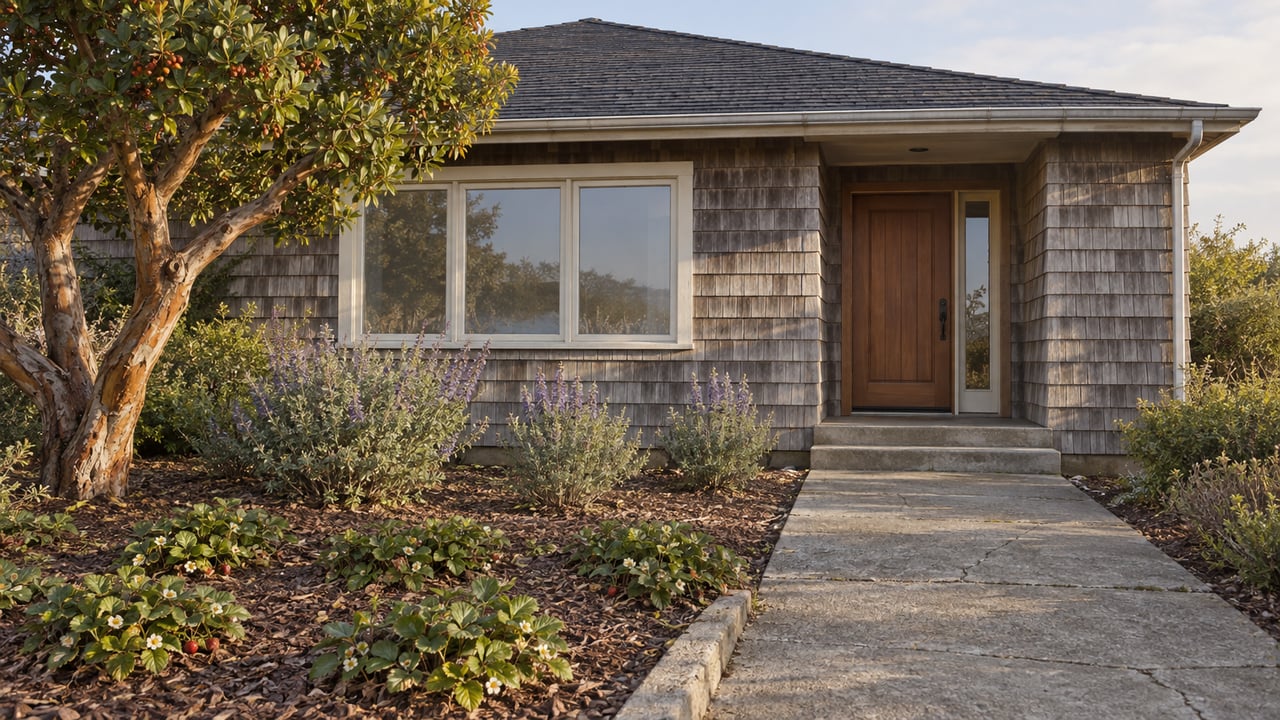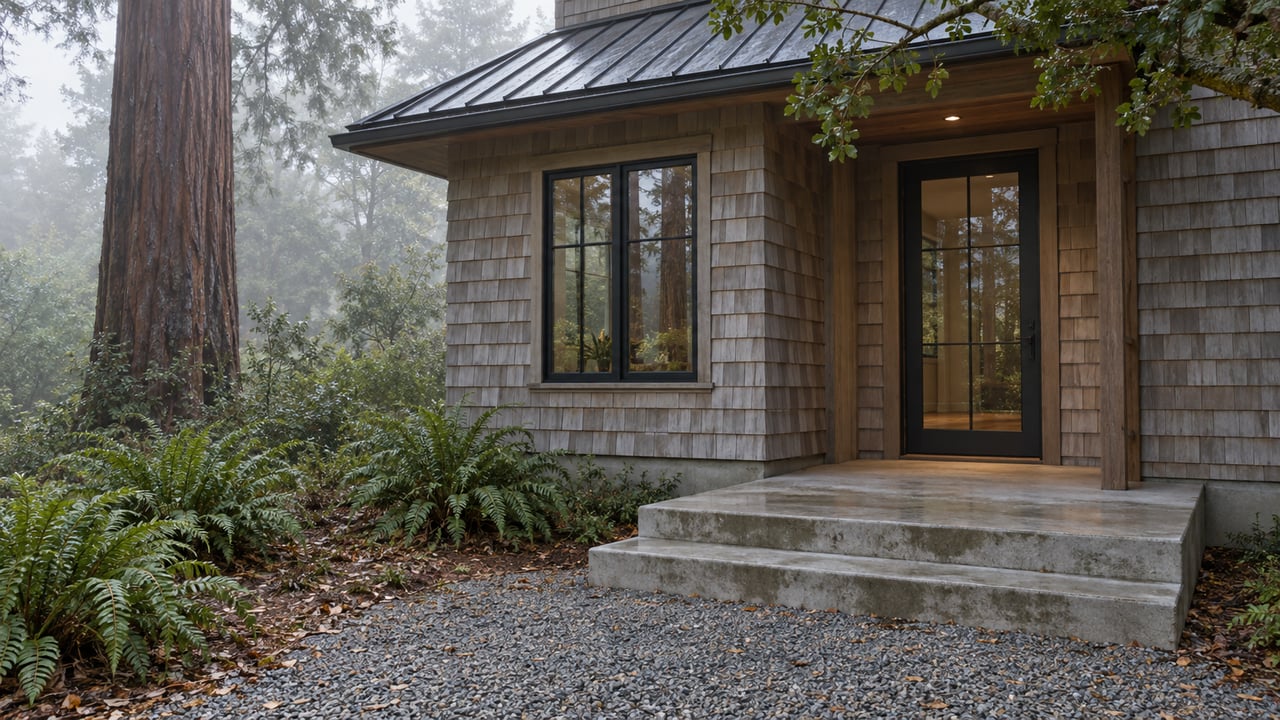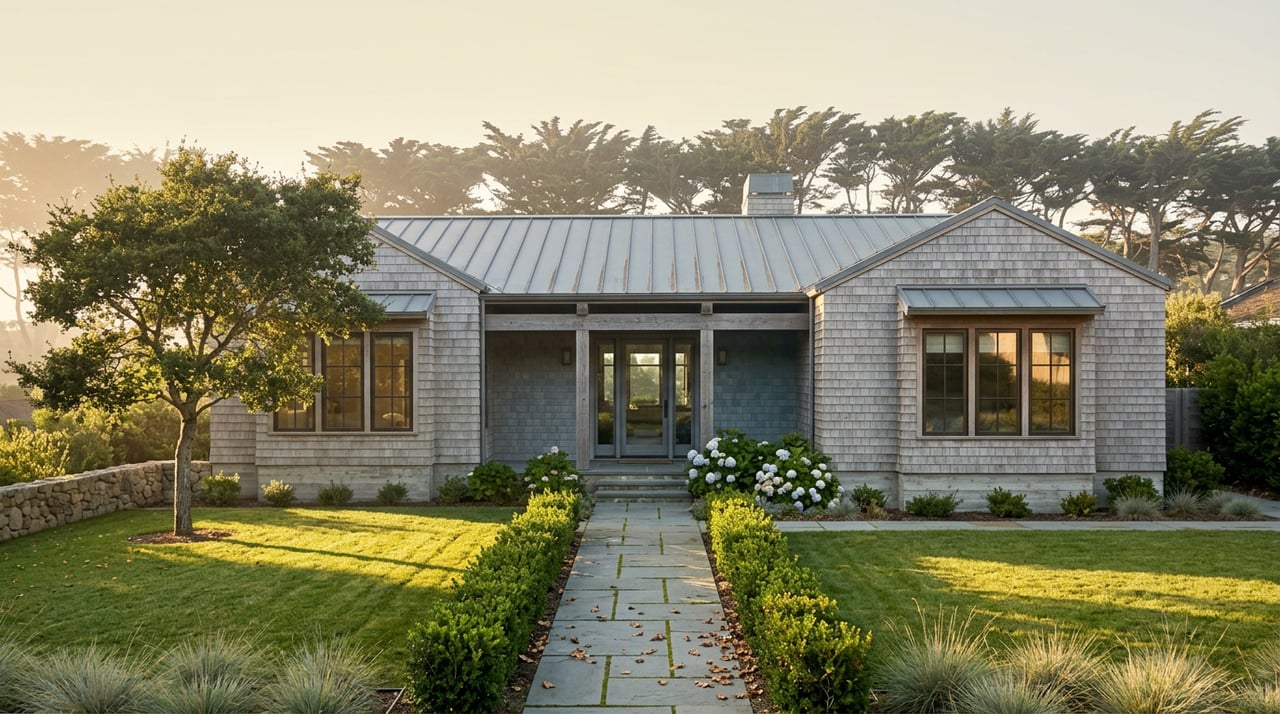
Are you wondering what your Pescadero home is really worth in today’s market? Rural coastal properties can be tricky to price, especially when views, acreage, wells, and permits all pull value in different directions. You want a clear number and a smart plan, not guesswork. In this guide, you’ll learn how value is determined in Pescadero, how pricing strategy shifts by property type, and what to prepare for a precise valuation. Let’s dive in.
Pescadero market basics
Pescadero is a rural, coastal area of San Mateo County with low inventory and highly varied properties. That mix of parcels, farms, bluff-top homes, and older cottages reduces truly comparable sales and often stretches time on market. Buyers commonly come from the greater Bay Area and include second‑home seekers, equestrian and hobby-farm buyers, and coastal-lifestyle buyers. Activity can be seasonal, and each sale can move the market more than in suburban areas because every property is unique.
If you want local data, you can review recent sales in the MLS, tax assessment history with the County Assessor, and countywide trends through California Association of Realtors reports. Specialized rural appraisers and experienced Coastside agents can help interpret comps when direct matches do not exist.
Key value drivers in Pescadero
Land and location
- Ocean views and proximity: Full, unobstructed views and bluff-top settings can command a premium, depending on view quality and permanence. Shoreline proximity can also introduce regulatory, erosion, and insurance considerations that affect value.
- Topography and usable acreage: Flat or gently sloped land with a defined buildable pad is more marketable than steep or gullied terrain. Access and soils influence improvement costs and feasibility.
- Access and privacy: Distance to a paved public road, private road maintenance agreements, and recorded easements all affect buyer confidence and financing.
- Water and agricultural potential: Reliable wells, irrigation access, and documented water rights are major value levers, especially for equestrian or small‑scale agricultural buyers.
- Flood and coastal hazards: FEMA flood zones, coastal bluff erosion areas, and sea-level rise vulnerability can limit marketability and increase ownership costs.
- Wetlands and habitat: Wetlands, riparian areas, and protected habitats can restrict development and require permits or mitigation, which reduces effective buildable area.
Structures and systems
- Condition and permits: Roof, foundation, drainage, and permitted improvements matter to both appraisers and lenders. Unpermitted work or deferred maintenance reduces value and can block financing.
- Septic and well: Septic condition and permitting, well yield, and water quality are critical in rural sales. Many buyers will require testing or certification.
- Utilities and connectivity: Reliable power, propane systems, and workable internet or cell service increase appeal. Off‑grid solar with batteries or a generator can be a plus in some locations.
- Improvements that help: Documented water reliability, certified septic, stable access roads, equestrian facilities, permitted ADUs, and permitted shoreline or bluff protection can all lift value when allowed.
Permits and regulations
- Coastal zone rules: Many parcels fall under the California Coastal Zone and the County’s Local Coastal Program. Larger remodels, structural changes, and new development can require Coastal Development Permits and county review, which lengthens timelines and adds costs.
- Zoning and easements: Agricultural and rural zoning, minimum parcel sizes, and conservation or public-access easements shape what you can do with the property. These constraints factor into value.
- Short‑term rentals: Local rules may restrict short‑term rentals. Confirm requirements before counting STR income in pricing.
- Environmental constraints: Riparian setbacks, wetlands, and habitat protections can limit usable acreage and trigger mitigation.
Financing, appraisal, and insurance
- Appraisal hurdles: With limited comps, appraisers broaden search areas and timelines, then adjust for acreage, views, utilities, and condition. Clear documentation makes a big difference.
- Financing realities: Lenders look for functioning septic and well, clear title, and insurability. Unique or condition‑challenged properties may require larger down payments.
- Insurance costs: Coastal and bluff‑top homes can face higher hazard, flood, or earthquake premiums. Insurance availability and pricing influence buyer demand and effective value.
How your value is calculated
Appraisers and agents typically start with the sales comparison approach, then adjust for acreage, view quality, utilities, condition, and access. When direct comps are scarce, the cost approach helps for newer structures by estimating replacement cost minus depreciation plus land value. If your property has trackable agricultural or rental income, an income approach may be used, although short‑term rental income is often discounted. A highest and best use analysis can clarify whether the current use or a potential future use drives the most value within zoning and permit limits.
Pricing strategies that work
- Market‑value anchored: List at a price supported by the best comps with conservative adjustments. This suits sellers who want a steadier timeline.
- Value‑extraction: List higher with room to negotiate when the property is rare and buyer competition is limited. Expect a longer time on market.
- Aggressive to spark activity: Price tightly within an active band to attract multiple offers when demand is clear and condition is strong.
- Below market for bidding: Less common in unique rural settings, since buyers are fewer and more methodical.
Consider your approach based on risk and readiness. If there are uncertain permits, erosion concerns, or unknown system conditions, lean conservative. If you have a strong ocean view, good access, documented buildable area, and dialed‑in utilities, you can price more assertively.
Real‑world examples
- Inland 2‑acre with modest home: Permitted septic and well plus paved access broaden the buyer pool and financing options. A market‑value anchored strategy with solid comps is often best, and you can expect a moderate marketing period.
- Bluff‑top ocean‑view cottage: The view is a premium, but erosion notices and setbacks can reduce value and complicate insurance. A conservative list price with full disclosures and any available geotechnical documentation builds trust.
- 10‑acre ranch with barns and water rights: Usable pastures, fencing, and proven water reliability draw equestrian and small‑farm buyers. If you have documented income, the income or cost approach may help support pricing.
- Small parcel with wetlands and habitat limits: Development restrictions narrow the buyer pool. Pricing should reflect added costs and timeline risk, and buyers may need to pre‑screen with agencies.
Prep checklist for a precise valuation
Gather these items before you request a valuation:
- APN, legal description, and your most recent property tax bill
- Lot size and plot map or survey
- Title report or deed and any recorded easements
- Building permits and final occupancy certificates for house and outbuildings
- Septic permits, maintenance history, and a recent septic inspection report
- Well log, pump test results, and recent water quality test
- Any geotechnical or coastal bluff or shoreline reports
- Insurance history and any current quotes for flood or earthquake
- Recent utility service details, including internet and cell service
- Evidence of income if applicable, like farm P&L or lease agreements
- Current photographs and any aerial or drone images
Smart pre‑listing moves
- Order key inspections: Septic, well testing, roof and foundation, and termite or pest for older structures. Early reports reduce surprises and buyer friction.
- Verify title and easements: Confirm access, utility, conservation, or trail easements that affect use or privacy.
- Price with insurance in mind: Obtain hazard, flood, and earthquake insurance quotes up front so buyers can gauge total cost of ownership.
- Market the land and systems: Use professional exterior and aerial photos, clear parcel and site plans, and accurate descriptions of utilities, access, and water. Target outreach to second‑home, equestrian, and agricultural buyer segments as appropriate.
What you get with a personalized valuation
A tailored valuation should include:
- A comp set that reflects rural and coastal realities, with adjustments for view, acreage, access, utilities, and condition
- A check of zoning, coastal permit considerations, and known environmental or hazard mapping
- A review of septic, well, and utility documentation to assess financing and insurability
- A recommended pricing strategy aligned with your timeline and risk tolerance
- Clear next steps, like inspections, document retrieval, minor repairs, or strategic improvements
If pre‑market upgrades would raise your net, you can explore improvement options and structured preparation. Compass Concierge may be an option for certain sellers to fund select improvements that can help your home show its best.
When you are ready to talk numbers, reach out for a personal walkthrough and data‑backed plan. You will get a clear valuation range and a strategy to match your goals.
Ready to understand your Pescadero home’s value and best next steps? Connect with Shanti Minkstein for a free, personalized valuation and a clear plan to move forward.
FAQs
How long does it take to sell a Pescadero home?
- Rural coastal properties often take longer to sell than suburban homes because inventory is limited, buyers are specialized, and each property is unique, so plan for a longer but manageable timeline with the right pricing and preparation.
How do ocean views affect value in Pescadero?
- High‑quality, unobstructed views can add a premium, but proximity to cliffs may bring erosion, regulatory, or insurance considerations that offset some of that value.
Can I count short‑term rental income in my valuation?
- You can share it as context, but appraisers and lenders often discount short‑term rental income due to regulatory limits and instability, so it may not fully support pricing.
What inspections matter most for rural coastal homes?
- Septic inspection and permitting, well testing for yield and water quality, and roof, foundation, and pest reports reduce uncertainty and help buyers and lenders move forward.
Will lenders finance homes with a septic and well?
- Yes, if systems are functional and documented; clear septic permits, recent reports, and well data improve financing options and appraisal support.