If you live in Moss Beach, you already know Fitzgerald is not really a tidepool. It is a three-mile reef system with an ecology board, a docent corps, a seal calendar, and a set of rules that quietly reorganize which part of the beach you are allowed to walk on any given week. The visitors who show up at noon on a rising tide never see any of that. You can.
This is the post I wish someone had handed me the first summer I lived here. It is a walkthrough of how to use the reserve the way locals actually use it, and a few notes on why the "best time to go" answer you get online is almost always wrong.
The reef you're actually walking on
The tidepools at Fitzgerald exist because of a fault. The Seal Cove Fault, which forms much of the eastern boundary of the reserve, is part of the San Gregorio fault zone, and it tilted a bed of Purisima siltstone up on edge. Wave action carved the exposed layers into the parallel troughs and shelves you see at minus tides. That is why the pools here are so unusually structured compared to a random rocky beach farther up the coast.
Naturalists estimate as many as 1,000 forms of animal and plant life at Fitzgerald, and scientists have described more than 25 invertebrate species first discovered here. It is one of 34 California coastal habitats designated as having "Special Biological Significance," which is the phrase that put the reserve under state protection in 1969.
Practically, this changes what you are allowed to do. Fitzgerald sits inside the Montara State Marine Reserve, a Marine Protected Area under the Marine Life Protection Act. You can look. You cannot collect, disturb, or remove anything. No shells, no rocks, no hermit crabs to show the kids in a bucket and put back. The rangers enforce this.
Reading a tide chart like a local
The universal advice online is "go at low tide." That is not wrong, but it is not enough. Here is the version residents use:
| Tide reading | What you'll see |
|---|---|
| +2 ft or higher | Reef submerged; walk the Bluff Trail instead |
| 0 to +1 ft | Outer pools accessible; anemones, hermit crabs |
| Zero or negative | Full reef exposed; sea stars, chitons, nudibranchs, occasional red octopus |
| Minus 1 ft or lower | The one you clear your calendar for |
Aim to be on the reef about an hour before the predicted low, not at it. The tide is already turning by the time it hits bottom, and the outermost pools are the ones you drove down here for. Summer minus tides on the California coast tend to fall in the early morning, so the trade-off is fog. Bring a jacket. The sun does not burn off the marine layer until after the tide has come back in most July mornings.
Shoes matter more than people think. The siltstone shelves are slick with algae, and the county explicitly recommends shoes with good soles. Flip-flops are how you end up in the ER at Seton.
The seal calendar changes your route
Fitzgerald is a designated haul-out. Harbor seals rest here year-round, and in spring they use the rocks as a nursery, giving birth and nursing pups. When that happens, the rangers rope off sections. The overlook at the north end of the reserve gets restricted first, because that is where the seals prefer to pup, and signs will redirect you south.
The rule is 300 feet from any marine mammal. Federal law, not a suggestion.
Stay at least 300 feet from all marine mammals, including harbor seals. It is against the law to harass marine mammals.
This is the part of Fitzgerald that catches long-time residents off guard. The trail you walked in March may be closed in April. The move is to check the county parks page or the Friends of Fitzgerald Facebook before you head down, especially between February and June. If the north end is closed, the bridge over San Vicente Creek and the bluff loop south of it are still open, and honestly the southern reef is where the more interesting invertebrate diversity lives anyway.
Dogs, while we are on the subject of what is closed: no dogs on the beach or on the upper bluff trail. Leashed dogs are allowed on the lower Dardanelle Trail along the eastern edge of the cypress grove. That is the whole map for dog owners.
Who the green jackets are
On weekends and during scheduled programs, you will see people in green jackets on the reef. These are Friends of Fitzgerald Marine Reserve volunteer naturalists, and they are the single best resource in the reserve. They are not park staff. They are trained through an annual class run by the nonprofit, and they commit to a minimum of six hours a month for their first year after training.
The green jackets are happy to answer questions even if you have not signed up for anything. If you have kids, walk over to one. They will point out a giant green anemone or a chiton that you would have walked past.
A few things worth knowing about the FFMR operation:
- The 2026 volunteer training class began February 14. If you have wanted to actually learn this reef, that is the path in, and registration reopens each winter through fitzgeraldreserve.org.
- The Junior Naturalist Summer Camp takes 15 to 20 kids ages 9 to 12 for a five-day session each summer. It fills fast.
- Group visits of 10 or more require a reservation through San Mateo County Parks at 650-363-4021, and requests must go in by the first of the month before your visit.
- The county has an upcoming public program, "Exploring Plankton & Friends at Fitzgerald Marine Reserve," on Saturday, July 25, 2026.
Entry is free. Parking is free. The reserve is open sunrise to sunset every day.
After the tide comes back in
This is the section every generic guide gets wrong. It lists Moss Beach Distillery and moves on. Here is the local version.
The Distillery is genuinely worth it, and not just for out-of-town guests. Happy hour runs 5 to 7 on weekdays, the outdoor patio has fire pits, and it is one of the few dog-friendly ocean-view patios on the Peninsula. The kitchen leans into California coastal seafood. It has been perched on that bluff since 1927, and it is a California Point of Historical Interest, which explains why it feels different from a restaurant that just happens to have a view.
If you want beer and a shorter wait, Half Moon Bay Brewing Company is a five-minute drive down Highway 1 toward Princeton, with outdoor fire pits of its own. If you are hosting people who want to stay overnight without leaving Moss Beach, Seal Cove Inn is the garden-wrapped option a short walk east of the reserve.
For a longer afternoon, keep going north on the bluff trail from the reserve until it terminates near the Point Montara Lighthouse. The lighthouse is on the north edge of the marine reserve's boundary, and the walk gives you the geology lesson from above rather than inside it.
The way to think about it
Living here changes what the reserve is. For a visitor, Fitzgerald is a two-hour stop. For a resident, it is a seasonal calendar you learn to read. Minus tides in June and July. Seal closures in March and April. Whale spouts on the horizon December through March, when the gray whales are migrating past the same bluffs you walk your dog on. A Saturday plankton talk in July. Green jackets on the reef most weekends. A restaurant that has been serving the community for nearly a century, a five-minute drive away.
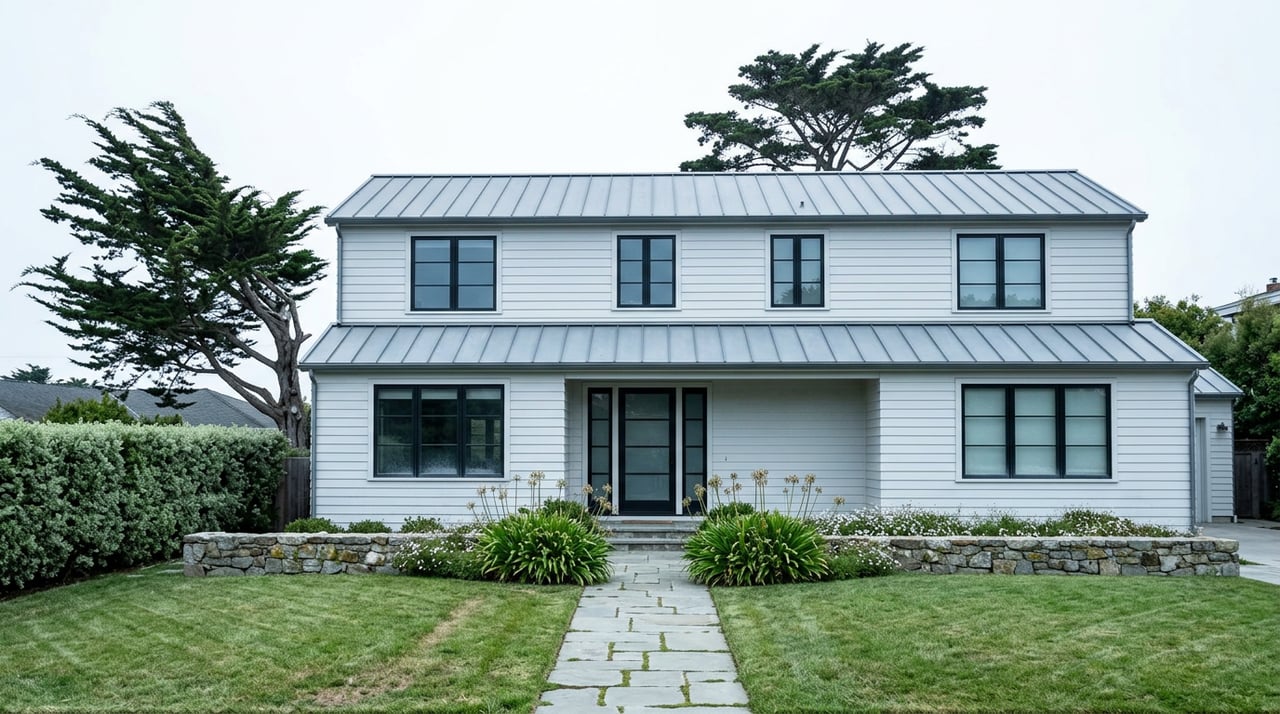
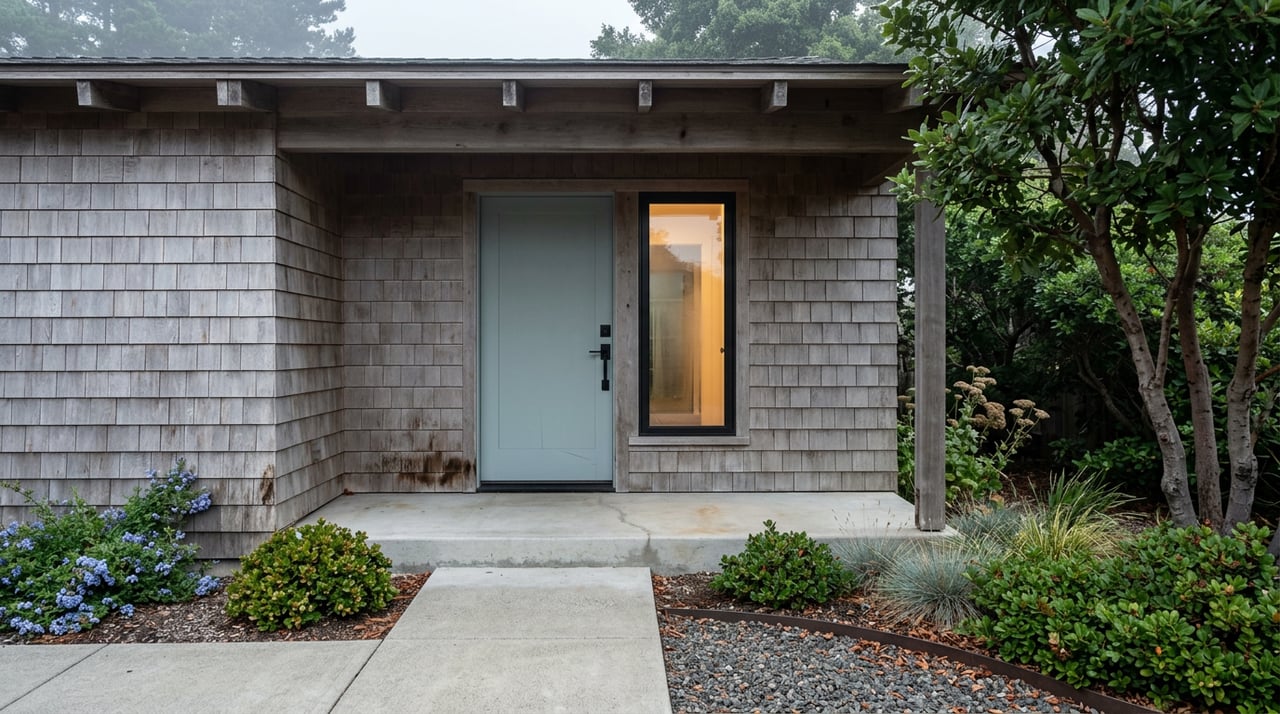
That rhythm is one of the things you get when you own a home on this stretch of the Coastside. It does not show up in a listing description, and no algorithm knows how to price it. It is the reason people who move here tend to stay.
If you are thinking about what your Moss Beach home is worth in the current market, or you are curious what is available near the reserve, I would love to talk. Real Estate by Shanti is a boutique practice built on exactly this kind of local knowledge, backed by Compass marketing and Concierge support. Request a free home valuation any time.