Are you drawn to Half Moon Bay for morning beach walks, afternoons on the golf course, or the easy rhythm of Main Street? If you are trying to choose the right part of town, the answer is often less about a home itself and more about how you want your days to feel. This guide will help you compare beach-adjacent, golf-course, and downtown living in Half Moon Bay so you can focus your search with more confidence. Let’s dive in.
Why Half Moon Bay Feels Distinct
Half Moon Bay is a compact coastal city about 28 miles south of San Francisco, but it offers several very different ways to live. The city highlights its historic downtown, restaurants, shops, art galleries, beaches, parks, golf courses, nurseries, and farms, all within one community.
At the same time, Half Moon Bay sits entirely within the California Coastal Zone. That means the Local Coastal Program applies citywide, which influences how neighborhoods change and how future development moves forward.
Another reason the city feels varied is its layout. Highway 1 is the main north-south corridor, and many neighborhoods developed from former agricultural land with limited direct internal connections. In real life, that means two homes in the same city can offer very different day-to-day experiences.
Beach Living in Half Moon Bay
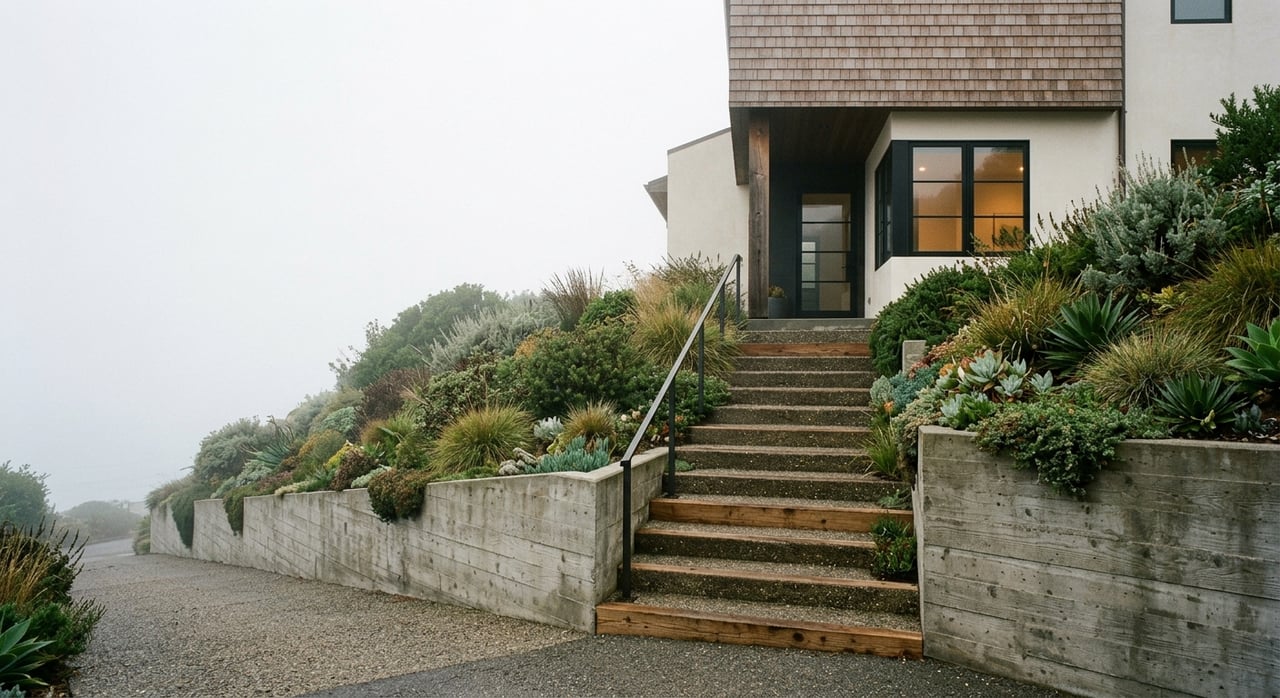
If your ideal routine includes hearing the ocean, grabbing a jacket for a foggy morning, and making the shoreline part of everyday life, beach-adjacent living may be the best fit. In Half Moon Bay, this lifestyle is tied more to the shoreline system than to one single neighborhood name.
City beach information includes Half Moon Bay State Beach from Kelly Avenue to Mirada Road, Poplar Beach, and Canada Verde or Manhattan Beach below the Ritz-Carlton. The city also notes that some beach names are informal and that beach areas may fall under city, county, state, or private jurisdiction.
What daily life feels like near the beach
The beach experience here is very access-oriented and outdoors-focused. Much of the shoreline connects to the California Coastal Trail, and access is available by walking, biking, or car.
Poplar Beach includes a 93-space parking lot and seasonal volleyball courts. Francis Beach serves as a main hub for Half Moon Bay State Beach, with a paved ramp, picnic area, restrooms, and campground access.
The weather is also part of the lifestyle. The city notes summer fog, crisp spring and fall weather, and wet, windy winters, so beach living often means planning around coastal conditions rather than fighting them.
What homes are generally like
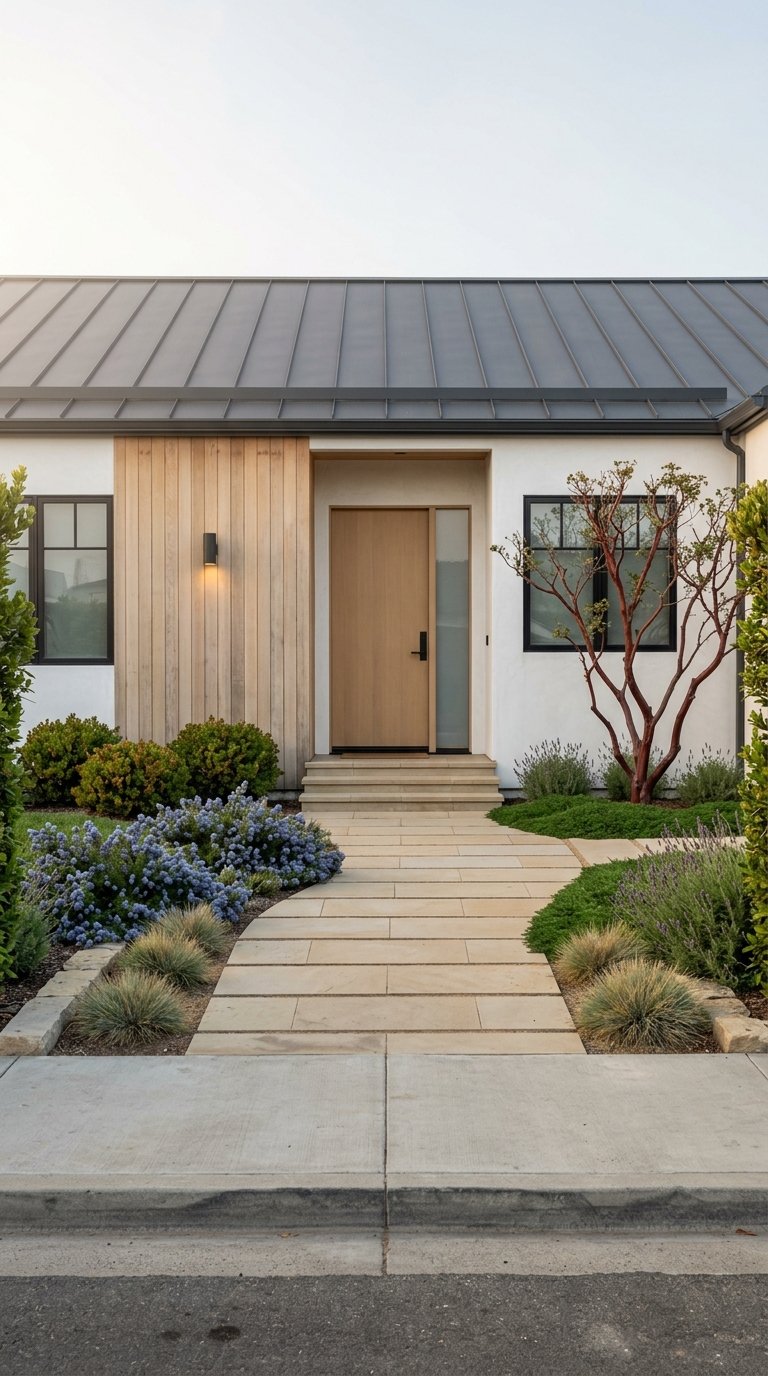
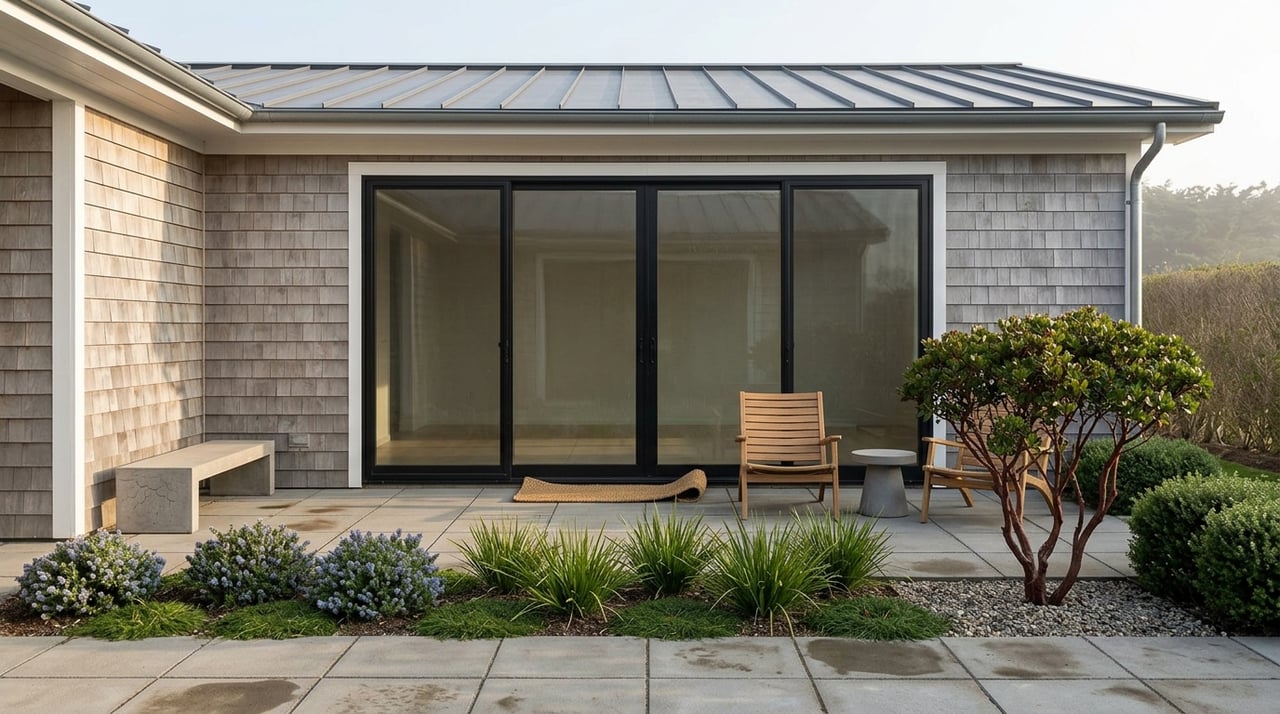
Homes near the coast are often found in smaller residential pockets outside the Town Center. City planning documents explain that many of these neighborhoods reflect the conversion of former agricultural land, while the citywide housing stock remains largely single-family detached homes.
For many buyers, that creates a strong sense of separation between home life and busier commercial areas. If you want quick access to trails and beaches, that trade-off may feel worth it.
Beach lifestyle pros and trade-offs
Best for you if you want:
- Easy access to beaches and coastal trails
- A routine built around outdoor recreation
- A quieter residential feel outside the downtown core
- Strong connection to Half Moon Bay’s coastal setting
Important things to keep in mind:
- Fog, wind, and seasonal weather are part of everyday life
- Beach rules matter, including restrictions on fires, smoking, glass containers, and off-leash dogs on city beaches
- Long-term coastal exposure may be part of your maintenance and planning conversation
The city adopted a Climate Adaptation Plan in 2026 to guide responses to sea level rise, flooding, wildfire smoke, and other climate impacts. If you are considering beach-adjacent or bluff-adjacent property, it is wise to think about both lifestyle appeal and long-term coastal conditions.
Golf-Course Living in Half Moon Bay
If you picture a calmer setting with scenic recreation and a more planned residential environment, golf-course living may stand out. In Half Moon Bay, this lifestyle is centered at the southern edge of the city.
City planning identifies Ocean Colony as a golf-course-centered residential community. It also notes that much of the single-family development in southern Half Moon Bay is located there.
What defines the golf zone
Half Moon Bay Golf Links offers 36 holes on coastal bluffs, including the Arnold Palmer-designed Old Course and Arthur Hills’ links-style Ocean Course. Resort materials also highlight Pacific views, nearby dining, and a spa-resort setting.
The overall feel here is less about Main Street activity and more about scenic recreation, coastal quiet, and a planned-community rhythm. For some buyers, that creates a sense of retreat while still staying connected to the rest of town.
What day-to-day living may feel like
This area can feel tucked away, but access still matters. The city’s Highway 1 corridor study identifies Highway 1 as the primary corridor through Half Moon Bay and notes ongoing efforts to improve safety and mobility along and across it.
That means golf-course living often appeals to buyers who want a quieter setting but are comfortable with driving for many errands and outings. It can feel private and relaxed without being far from the rest of the Coastside.
Golf lifestyle pros and trade-offs
Best for you if you want:
- A recreation-centered environment
- Coastal views and a quieter residential setting
- A planned-community feel
- Separation from the busier downtown core
Important things to keep in mind:
- Many daily trips still depend on Highway 1 access
- The atmosphere is more resort-like than Main Street-oriented
- The lifestyle is shaped more by setting and amenities than by walkability
If your priority is scenic calm with golf and coastal atmosphere, this part of Half Moon Bay can be a strong match.
Downtown Living in Half Moon Bay
If you want your neighborhood to feel active, walkable, and connected to local events, historic downtown may be the strongest fit. Downtown Half Moon Bay is centered on Main Street between the Main Street Bridge and Correas Street.
The city’s land use plan describes this area as Heritage Downtown, with the highest concentration of historic resources and a traditional street grid where buildings front directly onto sidewalks. That physical layout is a big reason downtown feels different from other parts of the city.
What makes downtown appealing
The Town Center concept focuses future growth in a walkable core that includes the historic downtown and nearby mixed-use and commercial areas. City planning says this area is intended to support a diverse mix of businesses, shops, housing types, and public spaces, with pedestrian circulation prioritized.
This is the part of Half Moon Bay where daily life can feel the most connected to community happenings. Local highlights include shops, galleries, eateries, parks, live music, the Saturday Coastside Farmers’ Market, a historic walking tour, the jail museum, and annual events such as the Art & Pumpkin Festival and Wine & Jazz Festival.
What housing looks like downtown
Housing near downtown is more varied than in the beach or golf areas. City planning notes that residential uses are concentrated in South Downtown and the eastern portion of Heritage Downtown, where you may find townhomes, duplexes, multifamily homes, mixed-use buildings, and older single-family homes.
For buyers who want options beyond a traditional detached house, this variety can be a real advantage. It can also make downtown appealing for people who want to be closer to shops, dining, and community spaces.
Downtown lifestyle pros and trade-offs
Best for you if you want:
- Walkability and easier access to shops and dining
- A stronger connection to local events and community life
- More varied housing types
- A traditional Main Street setting
Important things to keep in mind:
- The energy level is generally more active than in quieter residential pockets
- Housing styles and lot patterns are more mixed
- Your lifestyle may center more on convenience and activity than on privacy or seclusion
For many buyers, downtown offers the clearest sense of everyday convenience and local character.
Comparing the Three Lifestyles
Here is the simplest way to think about it. Beach-adjacent living is about coast access, golf-course living is about scenic recreation, and downtown living is about walkability and Main Street energy.
| Lifestyle zone | Best match for | Daily rhythm | Housing feel |
|---|---|---|---|
| Beach-adjacent | Buyers who want shoreline access and outdoor living | Weather-aware, trail-forward, coastal | Mostly residential pockets, often single-family oriented |
| Golf-course | Buyers who want scenic calm and recreation | Planned, quieter, amenity-oriented | Southern residential community, largely single-family |
| Downtown | Buyers who want walkability and local activity | Community-centered, convenient, event-driven | More mixed housing types and uses |
Practical Planning Notes for Buyers
No matter which part of Half Moon Bay you prefer, citywide planning rules matter. Because the entire city is in the coastal zone, the Local Coastal Program and Coastal Development Permit process apply throughout Half Moon Bay.
The city also states that Measure D allocations are required for new residential units, including ADUs and duplexes, before other permits can move forward. If you are considering a property with future expansion potential, that is an important point to understand early.
These planning realities do not make one lifestyle zone better than another. They simply reinforce why local guidance matters when you are comparing homes, neighborhoods, and long-term goals.
How to Choose the Right Fit
If you are still deciding, start by thinking about your weekly routine instead of your wish list alone. Ask yourself where you want to spend the first hour of a Saturday, how often you want to drive, and whether you prefer quiet surroundings or a more connected street scene.
You may love the idea of the beach but realize you want more walkability. Or you may be drawn to downtown, then decide a quieter golf-area setting fits your pace better. In Half Moon Bay, lifestyle fit is often what turns a good home search into the right one.
As a local Coastside guide, Shanti helps buyers look beyond the listing photos and focus on how each part of Half Moon Bay actually lives day to day. If you are ready to explore your options, connect with Shanti Minkstein for thoughtful, personalized guidance.
FAQs
What is beach-adjacent living like in Half Moon Bay?
- Beach-adjacent living in Half Moon Bay is centered on access to the shoreline, beaches, and the California Coastal Trail, with daily life shaped by fog, wind, and outdoor recreation.
What is golf-course living like in Half Moon Bay?
- Golf-course living in Half Moon Bay is centered around the Ocean Colony area at the southern edge of the city and offers a quieter, planned-community feel with close access to coastal golf amenities.
What is downtown living like in Half Moon Bay?
- Downtown living in Half Moon Bay is focused around Heritage Downtown on Main Street and offers the city’s most walkable setting, with shops, eateries, events, and a mix of housing types nearby.
Which part of Half Moon Bay is most walkable?
- Downtown Half Moon Bay is the most walkable of these three lifestyle zones because city planning prioritizes pedestrian circulation in the Town Center and Heritage Downtown areas.
Are planning rules the same across Half Moon Bay?
- Yes, the entire city lies within the California Coastal Zone, so the Local Coastal Program applies citywide, and certain residential projects may also require Measure D allocations before other permits move forward.